
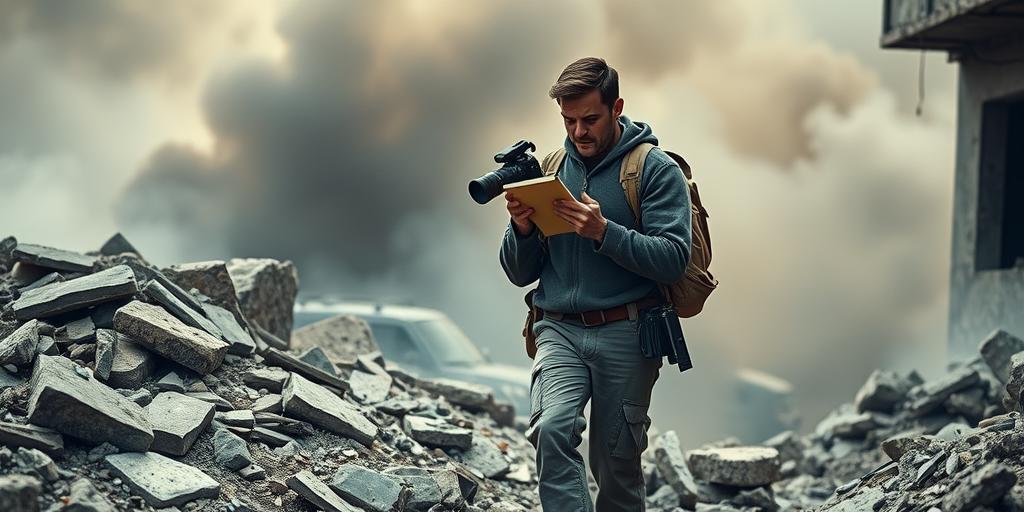
War reporting stands as one of the most perilous professions in the world. Journalists who venture into conflict zones face immense risks, navigating not only physical danger but also the complex web of disinformation that often accompanies armed conflicts. This article delves into the multifaceted challenges of war reporting, highlighting the hazards involved and the critical importance of ethical and accurate journalism in these tumultuous environments.
The Physical Dangers of War Reporting
War zones are inherently unstable and hazardous. Journalists often find themselves in the crossfire, exposed to bombings, gunfire, and other forms of violence. The risks include:
- Direct Combat: Journalists can be caught in the midst of battles, facing the same dangers as combatants.
- Landmines and Explosives: Unexploded ordnance poses a constant threat, especially in areas that have seen prolonged fighting.
- Kidnapping and Hostage-Taking: Journalists are often targeted by armed groups seeking to gain leverage or publicity.
- Accidents and Natural Disasters: Conflict zones are prone to logistical challenges, increasing the risk of accidents, while natural disasters can exacerbate already precarious situations.
To mitigate these risks, journalists undergo specialized training, including hostile environment awareness training (HEAT), which equips them with essential survival skills. Protective gear, such as helmets and bulletproof vests, is standard issue, but offers limited protection in the face of determined attacks.
The Ethical Challenges of War Reporting
Beyond the physical dangers, war reporters face significant ethical dilemmas. Maintaining objectivity in a highly charged environment is paramount, yet exceedingly difficult. Some key challenges include:
- Objectivity vs. Advocacy: Balancing the need to report facts impartially with the human instinct to take sides can be a struggle. Journalists must avoid becoming mouthpieces for any particular faction.
- Witnessing Trauma: Exposure to violence, suffering, and death can take a significant psychological toll. Journalists need access to mental health support to cope with the trauma they witness.
- Protecting Sources: Confidential sources are often crucial for uncovering important information, but protecting their identities can be challenging, especially in authoritarian regimes.
- Reporting on Atrocities: Deciding how to report on atrocities without sensationalizing them or causing further harm is a delicate balancing act.
The Fight Against Disinformation
In the age of digital media, disinformation poses a significant threat to accurate war reporting. The spread of false or misleading information can have dire consequences, influencing public opinion and even inciting violence. Journalists must be vigilant in verifying information and debunking false claims. This includes:
- Fact-Checking: Scrutinizing information from all sources, including social media, official statements, and eyewitness accounts.
- Source Verification: Ensuring that sources are reliable and have no ulterior motives.
- Contextualization: Providing background information and analysis to help audiences understand the complexities of the conflict.
- Transparency: Being open about journalistic methods and acknowledging any limitations in reporting.
Conclusion
War reporting is a high-stakes endeavor that demands courage, resilience, and a commitment to ethical principles. Despite the dangers and challenges, the role of war correspondents in informing the public and holding power to account remains vital. By shedding light on the realities of conflict, they contribute to a more informed and nuanced understanding of the world’s most pressing issues.


