
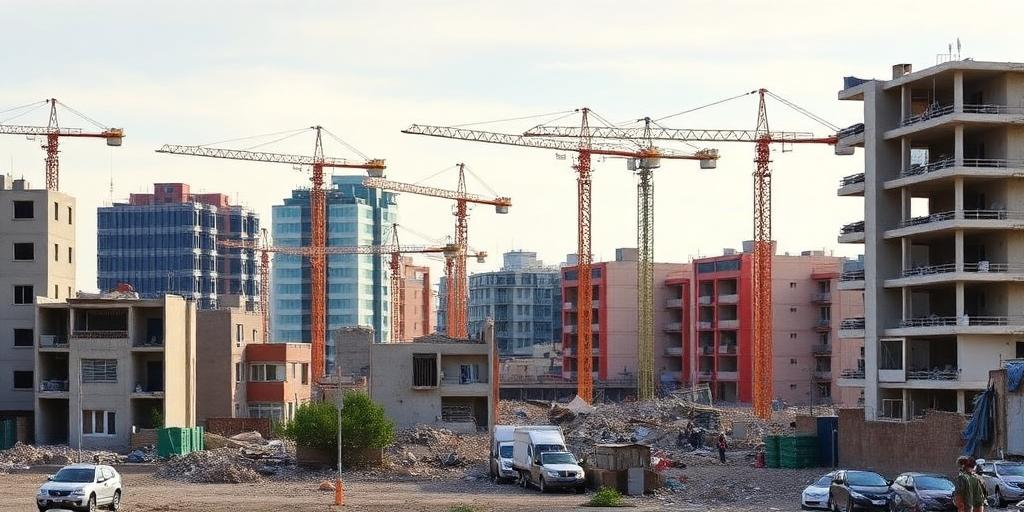
Rebuilding Gaza: The Politics of Reconstruction Amidst Ongoing Tensions
Introduction Gaza, a territory marked by conflict and political strife, faces immense challenges in its reconstruction efforts. The frequent cycles of violence have left its infrastructure devastated, its economy crippled, and its population traumatized. Rebuilding Gaza is not merely a matter of physical reconstruction; it is a deeply political process shaped by regional and international dynamics.
The Scale of Destruction The recurring conflicts have inflicted widespread damage on Gaza's infrastructure. Homes, schools, hospitals, and essential service facilities have been severely affected. The United Nations and various international organizations have documented the extent of the destruction, estimating that billions of dollars are needed for comprehensive reconstruction. The sheer scale of the damage poses a significant hurdle to recovery efforts.
Political Obstacles to Reconstruction The reconstruction of Gaza is fraught with political obstacles. The ongoing Israeli-Palestinian conflict, the blockade imposed on Gaza, and the internal Palestinian divisions all contribute to the complexities of rebuilding. Here are some main obstacles:
- The Israeli Blockade: The blockade imposed by Israel restricts the entry of construction materials, hindering reconstruction efforts. Israel argues that these restrictions are necessary to prevent the entry of materials that could be used for military purposes by Hamas.
- International Involvement: International aid is crucial for Gaza's reconstruction. However, donor countries are often wary of providing assistance due to concerns about funds being diverted to Hamas. This lack of trust creates obstacles to securing the necessary financial support.
- Palestinian Divisions: The political division between Hamas, which governs Gaza, and the Palestinian Authority in the West Bank further complicates reconstruction efforts. Differing priorities and lack of coordination between the two entities impede the efficient allocation of resources and implementation of projects.
Mechanisms for Reconstruction Despite the challenges, several mechanisms have been put in place to facilitate the reconstruction of Gaza. These include:
- The Gaza Reconstruction Mechanism (GRM): This UN-brokered agreement aims to allow the entry of construction materials into Gaza while addressing Israeli security concerns. It involves monitoring the use of materials to ensure they are used for civilian purposes.
- International Aid Coordination: Various international organizations and donor countries coordinate their aid efforts to maximize the impact of reconstruction projects. This involves identifying priority needs, allocating resources, and monitoring progress.
- Local Initiatives: Local organizations and community groups play a vital role in reconstruction efforts. They work to rebuild homes, provide essential services, and support vulnerable populations.
The Impact on the Population The slow pace of reconstruction has profound implications for the population of Gaza. Thousands of people remain displaced, living in temporary shelters or with relatives. The lack of adequate housing, healthcare, and education exacerbates the humanitarian crisis. The psychological impact of repeated conflicts and displacement also takes a heavy toll on the population, particularly children.
Conclusion The reconstruction of Gaza is a complex and multifaceted challenge shaped by political, security, and humanitarian considerations. Overcoming the obstacles requires a concerted effort by all stakeholders, including Israel, the Palestinian Authority, Hamas, and the international community. Addressing the underlying political issues, easing the blockade, and ensuring accountability are essential steps towards creating a sustainable and prosperous future for Gaza.


