
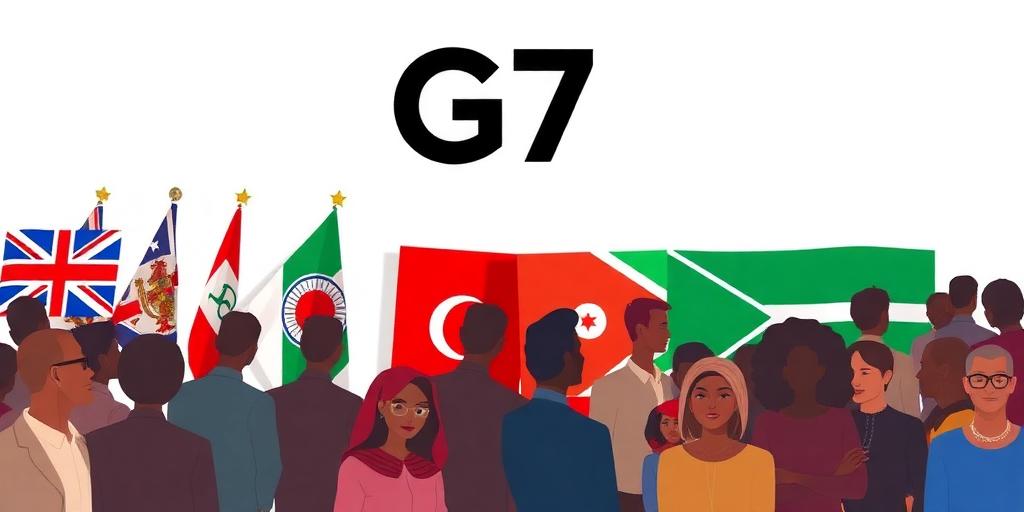
G7 vs. Global South: Can the Divide on Ukraine and Other Issues Be Bridged?
The world stage is witnessing increasing friction between the G7 nations and the Global South, particularly concerning the ongoing conflict in Ukraine and other pressing global issues. This divide raises critical questions about international cooperation and the potential for bridging these divergent perspectives.
Understanding the G7 Perspective
The Group of Seven (G7) comprises some of the world's most advanced economies: Canada, France, Germany, Italy, Japan, the United Kingdom, and the United States. Their unified stance against Russia's actions in Ukraine is rooted in principles of territorial integrity, international law, and the preservation of a rules-based global order.
- Key Priorities:
- Supporting Ukraine through financial and military aid.
- Imposing sanctions on Russia to limit its ability to fund the war.
- Maintaining a united front against aggression to deter similar actions in the future.
Decoding the Global South's Position
The term "Global South" encompasses a diverse array of countries primarily located in Asia, Africa, and Latin America. Historically, these nations have often been on the periphery of global power structures, and their perspectives on international affairs are shaped by unique experiences and priorities.
- Factors Influencing the Global South's View:
- Non-Alignment Traditions: Many countries in the Global South have a history of non-alignment, preferring to remain neutral in major geopolitical conflicts.
- Economic Concerns: The economic repercussions of the Ukraine war, such as rising food and energy prices, disproportionately affect developing nations.
- Historical Grievances: Some countries harbor historical grievances related to colonialism and Western intervention, leading to skepticism towards the G7's agenda.
Areas of Divergence and Potential for Alignment
The divide is not solely about Ukraine; it extends to other critical issues such as climate change, trade imbalances, and global health governance. Bridging this divide requires acknowledging these multifaceted concerns and finding common ground.
Points of Contention:
- Sanctions Effectiveness: The Global South questions the effectiveness and fairness of sanctions, arguing that they harm vulnerable populations.
- Climate Finance: Developing nations seek greater financial assistance from developed countries to address climate change.
- Vaccine Equity: Unequal access to vaccines during the COVID-19 pandemic has fueled resentment and distrust.
Opportunities for Cooperation:
- Reforming International Institutions: Enhancing the representation and voice of developing countries in institutions like the UN Security Council and the IMF.
- Investing in Sustainable Development: Supporting initiatives that promote economic growth, environmental protection, and social equity in the Global South.
- Dialogue and Diplomacy: Fostering open and respectful dialogue to address grievances and build trust.
The Path Forward
Bridging the divide between the G7 and the Global South requires a commitment to mutual understanding, respect, and cooperation. By addressing the legitimate concerns of developing nations and working together towards shared goals, the international community can foster a more inclusive and equitable global order. This involves recognizing that the challenges facing the world today—be they related to security, economics, or the environment—require collective action and a willingness to bridge divergent perspectives.


