
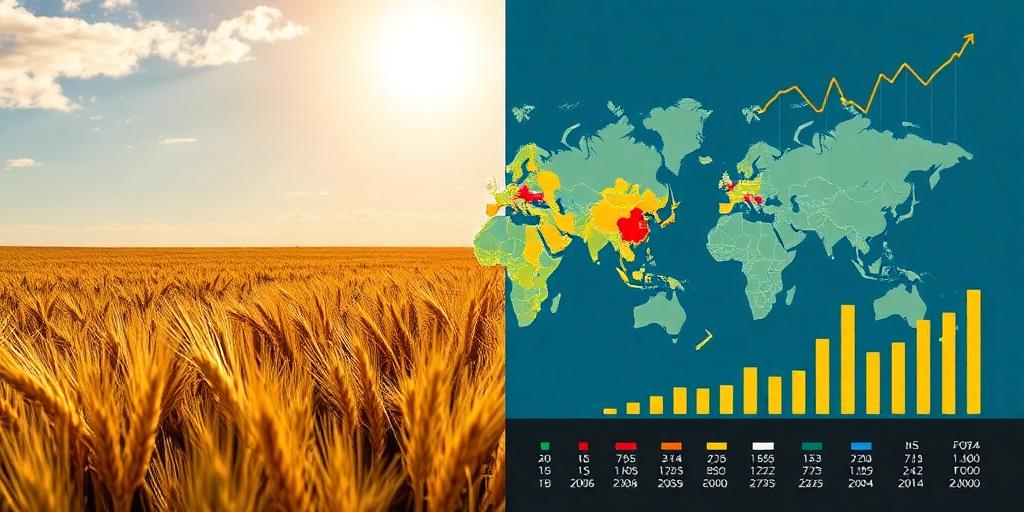
Food Security as a National Security Issue: The Ukraine War's Impact
The ongoing conflict in Ukraine has brought the critical issue of food security to the forefront, highlighting its direct link to national security. This post examines how the war is disrupting global food supply chains and the implications for countries worldwide.
Ukraine's Role in Global Food Supply
Ukraine, often referred to as the "breadbasket of Europe," is a major exporter of grains, including wheat, corn, and sunflower oil. Before the war, Ukraine accounted for a significant portion of global exports, feeding millions worldwide. The conflict has disrupted planting, harvesting, and export activities, creating a ripple effect throughout the global food system.
Disrupted Supply Chains
The war has led to:
- Blocked Ports: Key Ukrainian ports on the Black Sea are blocked, preventing the shipment of stored grains.
- Reduced Harvests: Farmers are unable to access fields due to fighting and landmines, leading to decreased planting and harvesting.
- Export Restrictions: Some countries have imposed export restrictions to ensure their domestic food supply, further tightening the global market.
Impact on Food Prices
The disruption in supply has driven up food prices globally. The UN Food and Agriculture Organization (FAO) has reported a significant increase in its food price index, impacting:
- Import-Dependent Nations: Countries that rely on imports to feed their populations are particularly vulnerable to price spikes.
- Low-Income Households: Rising food prices exacerbate poverty and food insecurity, particularly in developing nations.
- Global Stability: Food shortages and price volatility can lead to social unrest and political instability.
National Security Implications
Food security is intrinsically linked to national security. When people lack access to affordable and nutritious food, it can lead to:
- Political Instability: Food shortages and price hikes can trigger protests and social unrest.
- Economic Crisis: Countries dependent on food imports may face economic hardship due to rising prices.
- Geopolitical Tensions: Competition for scarce food resources can strain international relations.
Strategies to Mitigate the Crisis
Addressing the food security crisis requires a multifaceted approach:
- Diplomatic Efforts: Negotiating safe passage for grain exports from Ukraine is crucial.
- Financial Assistance: Providing aid to vulnerable countries to help them purchase food.
- Diversification of Supply: Encouraging other countries to increase their agricultural production.
- Investment in Sustainable Agriculture: Promoting climate-resilient farming practices to ensure long-term food security.
Conclusion
The Ukraine war has exposed the fragility of the global food system and highlighted the importance of food security as a national security issue. Addressing this challenge requires international cooperation, strategic planning, and a commitment to building a more resilient and equitable food system.


