
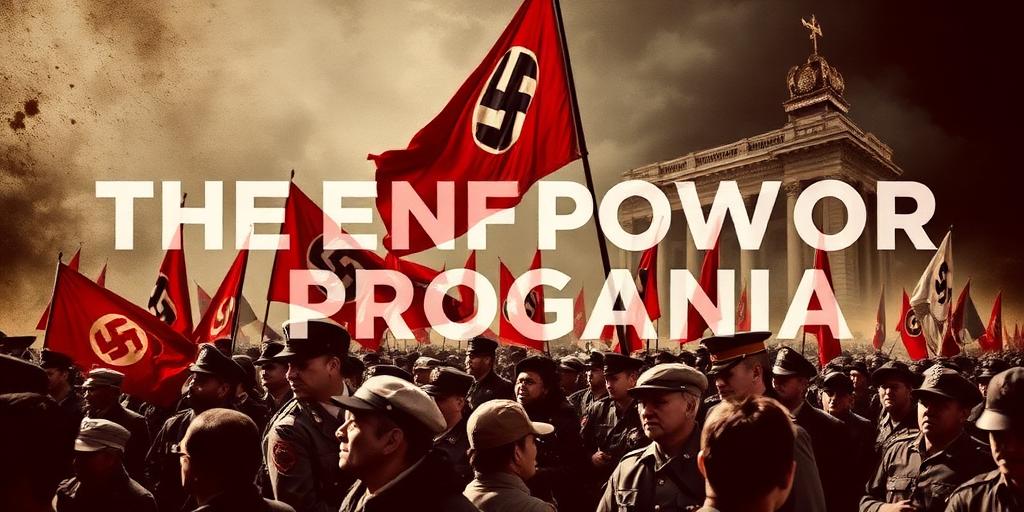
The Enduring Power of Propaganda: From Nazi Germany to Modern Day
Propaganda, the dissemination of information—often biased or misleading—to promote a particular political cause or point of view, has been a tool of influence for centuries. Its effectiveness, however, reached new heights in the 20th century, particularly in Nazi Germany. Today, in the age of social media and rapid information dissemination, understanding the mechanics and impact of propaganda is more critical than ever.
Propaganda in Nazi Germany: A Case Study
Under the leadership of Adolf Hitler and the guidance of Joseph Goebbels, the Nazi regime masterfully employed propaganda to manipulate public opinion and consolidate power. Key strategies included:
- Simplification: Reducing complex issues to simple, easily digestible slogans.
- Repetition: Constantly reinforcing messages to ensure they were ingrained in the public consciousness.
- Demonization: Identifying and vilifying specific groups as enemies of the state.
- Exploitation of Fear: Using fear and insecurity to create a sense of urgency and the need for strong leadership.
These techniques were instrumental in fostering a climate of hatred and discrimination, ultimately enabling the Holocaust and World War II. The Nazis controlled all forms of media, from newspapers and radio to film and art, ensuring that their message was pervasive and unchallenged.
Modern Propaganda: New Platforms, Same Tactics
While the platforms have evolved, the core principles of propaganda remain remarkably consistent. Today, social media, the internet, and digital communication channels have amplified the reach and speed of propaganda.
- Social Media: Platforms like Facebook, Twitter, and YouTube are fertile ground for the spread of misinformation and disinformation. Algorithms can create echo chambers, reinforcing existing beliefs and making individuals more susceptible to biased information.
- Fake News: The deliberate creation and dissemination of false information, often designed to mimic legitimate news sources, can manipulate public opinion and undermine trust in established institutions.
- Bots and Trolls: Automated accounts and malicious actors can amplify propaganda messages, create artificial trends, and harass dissenting voices.
- Microtargeting: Sophisticated data analysis allows propagandists to target specific demographics with tailored messages, increasing the likelihood of persuasion.
Examples of Modern Propaganda
- Political Campaigns: Politicians frequently use propaganda techniques to sway voters, often relying on emotional appeals, oversimplified messaging, and the demonization of opponents.
- Foreign Interference: Governments and state-sponsored actors engage in propaganda campaigns to influence elections, destabilize rival nations, and promote their geopolitical interests.
- Corporate Propaganda: Corporations use propaganda to enhance their image, promote their products, and deflect criticism of their business practices.
Combating Propaganda: Critical Thinking and Media Literacy
In an era of information overload, it is essential to develop critical thinking skills and media literacy. Here are some strategies for combating propaganda:
- Verify Sources: Always check the credibility and reputation of the source of information.
- Seek Multiple Perspectives: Read and listen to a variety of viewpoints to gain a more balanced understanding of complex issues.
- Be Wary of Emotional Appeals: Propaganda often relies on emotional manipulation. Be skeptical of messages that evoke strong feelings of fear, anger, or hatred.
- Understand Cognitive Biases: Be aware of your own biases and how they might influence your interpretation of information.
- Support Media Literacy Education: Advocate for comprehensive media literacy programs in schools and communities.
The enduring power of propaganda lies in its ability to exploit human psychology and manipulate public opinion. By understanding its techniques and developing critical thinking skills, we can better protect ourselves from its harmful effects and promote a more informed and democratic society.


