Global Security Propaganda & Media Peace & Diplomacy History of Wars Geopolitical Strategy
Home Current Conflicts SUBSCRIBE
Home Propaganda & Media Peace & Diplomacy History of Wars Geopolitical Strategy Defense & Military Current Conflicts SUBSCRIBE
•  Food Security as a National Security Issue: The Ukraine War's Impact •  Russia's T-14 Armata Tank: Reality vs. Hype After Ukraine •  Economic Sanctions as a Tool of Diplomacy: When Do They Work? •  NATO's Adaptation to Hybrid Threats: From Cyber Attacks to Disinformation •  America's B-21 Raider Stealth Bomber: A Game Changer for Power Projection •  China's Growing Footprint in Latin America: Opportunities and Anxieties •  Women Spies of WWII: Courage, Deception, and Unsung Heroism •  G7 vs. Global South: Can the Divide on Ukraine and Other Issues Be Bridged?
Home Propaganda & Media The Challenge of Real-Time Fact-Checking During Military Crises
BREAKING

The Challenge of Real-Time Fact-Checking During Military Crises

Explore the challenges of real-time fact-checking during military crises, including information overload, restricted access, and the rapid spread of disinformation.

Author
By News Desk
2 September 2025
The Challenge of Real-Time Fact-Checking During Military Crises

The Challenge of Real-Time Fact-Checking During Military Crises

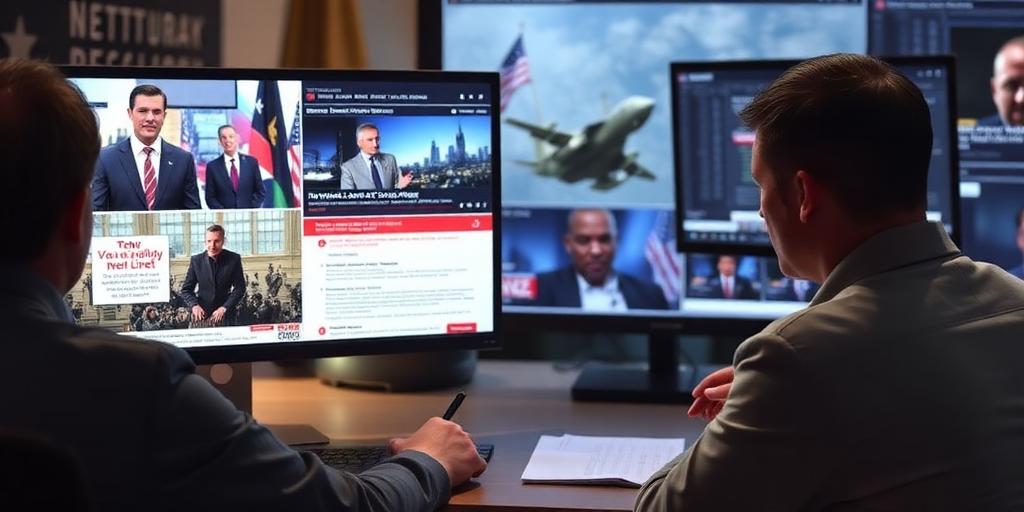
In the fog of war, truth often becomes the first casualty. During military crises, the rapid dissemination of information, both accurate and false, poses a significant challenge to maintaining public trust and ensuring informed decision-making. Real-time fact-checking, the process of verifying information as it emerges, becomes crucial yet incredibly difficult in such volatile environments.

One of the primary obstacles is the sheer volume of information. Social media, news outlets, and various online platforms become flooded with reports, images, and videos, many of which are unverified or deliberately misleading. This information overload makes it challenging for fact-checkers to sift through the noise and identify credible sources.

Another challenge lies in the nature of military crises. Access to conflict zones is often restricted, making it difficult to independently verify claims. Governments and military entities may also control the flow of information, either to protect operational security or to shape public perception. This creates an environment where propaganda and disinformation can thrive.

Moreover, the speed at which information spreads during a crisis can outpace the ability of fact-checkers to respond. False claims can go viral within minutes, influencing public opinion and potentially escalating tensions before they can be debunked. The emotional intensity of these situations further complicates matters, as people are more likely to share and believe information that aligns with their pre-existing beliefs or fears, regardless of its accuracy.

To address these challenges, several strategies can be employed. Collaboration between fact-checking organizations, news media, and technology platforms is essential. By sharing resources and expertise, these entities can more effectively monitor and verify information. Advanced technologies, such as artificial intelligence and machine learning, can also be used to automate the detection of potentially false claims.

Furthermore, media literacy education plays a critical role in empowering the public to critically evaluate information and resist the spread of disinformation. By teaching individuals how to identify credible sources, recognize manipulative techniques, and verify claims independently, we can build a more resilient information ecosystem.

In conclusion, real-time fact-checking during military crises is a complex and demanding task. It requires a multi-faceted approach that combines technological innovation, collaborative partnerships, and public education. By investing in these strategies, we can mitigate the harmful effects of disinformation and promote a more informed and responsible public discourse during times of conflict.

Author

News Desk

You Might Also Like

Related article

The Challenge of Real-Time Fact-Checking During Military Crises

Related article

The Challenge of Real-Time Fact-Checking During Military Crises

Related article

The Challenge of Real-Time Fact-Checking During Military Crises

Related article

The Challenge of Real-Time Fact-Checking During Military Crises

Follow US

| Facebook
| X
| Youtube
| Tiktok
| Telegram
| WhatsApp

Newsletter

Stay informed with our daily digest of top stories and breaking news.

Most Read

1

America's B-21 Raider Stealth Bomber: A Game Changer for Power Projection

2

China's Growing Footprint in Latin America: Opportunities and Anxieties

3

Women Spies of WWII: Courage, Deception, and Unsung Heroism

4

G7 vs. Global South: Can the Divide on Ukraine and Other Issues Be Bridged?

5

Ukraine's Black Sea Blockade: Global Food Security at Risk Again

Featured

Featured news

The "Fog of War" Online: Separating Fact from Fiction on Social Media

Featured news

The Sino-Indian War of 1962: A Lasting Impact on Himalayan Geopolitics

Featured news

North Korea's Ballistic Missile Program: A Persistent Global Security Headache

Featured news

Rebuilding Gaza: The Politics of Reconstruction Amidst Ongoing Tensions

Newsletter icon

Newsletter

Get the latest news delivered to your inbox every morning

About Us

  • Who we are
  • Contact Us
  • Advertise

Connect

  • Facebook
  • Twitter
  • Instagram
  • YouTube

Legal

  • Privacy Policy
  • Cookie Policy
  • Terms and Conditions
© 2025 . All rights reserved.