
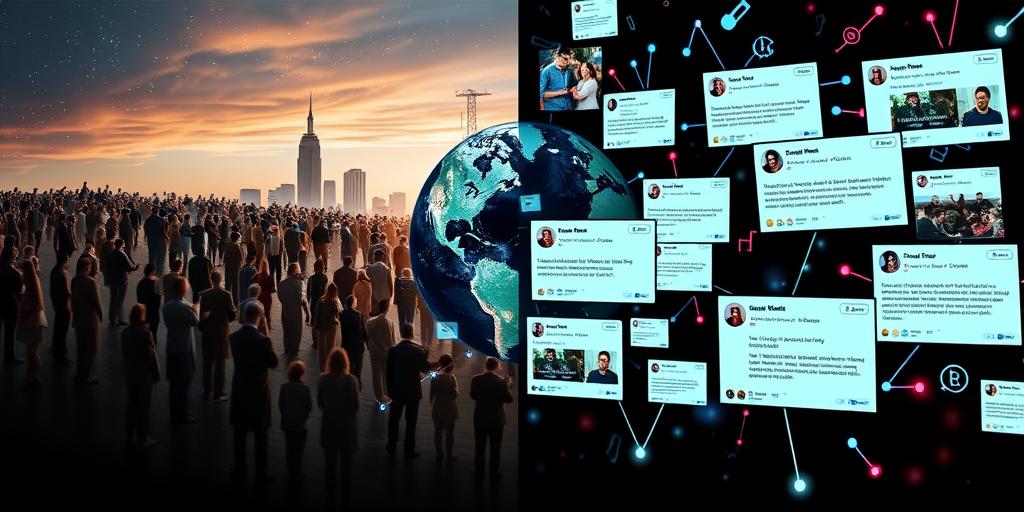
Social Media as a Weapon: How Facebook and X Fuel Conflicts
Social media platforms like Facebook and X (formerly Twitter) have become ubiquitous in modern society, transforming how we communicate, access information, and engage with the world. However, their influence extends beyond mere connectivity, increasingly acting as catalysts and amplifiers of social and political conflicts. This article explores how these platforms contribute to the escalation of discord, examining the mechanisms through which they function as tools of division and, at times, outright weapons in the context of societal conflicts.
The Echo Chamber Effect
One of the primary ways social media fuels conflict is through the creation of echo chambers. Algorithms on platforms like Facebook and X are designed to show users content that aligns with their existing beliefs and preferences. This personalization creates filter bubbles, where individuals are primarily exposed to information confirming their viewpoints, while dissenting opinions are marginalized or excluded. Consequently, users become more entrenched in their positions, less willing to engage with opposing perspectives, and increasingly polarized.
Dissemination of Misinformation
Social media platforms are fertile ground for the spread of misinformation and disinformation. False or misleading content can rapidly go viral, reaching millions of users within hours. Whether it's propaganda, conspiracy theories, or fabricated news, misinformation can significantly distort public perception, incite hatred, and exacerbate existing tensions. The anonymity afforded by some platforms and the lack of stringent fact-checking mechanisms further compound this issue.
Amplification of Outrage and Polarization
Platforms like X are particularly conducive to the amplification of outrage. The brevity of tweets and the ease with which content can be shared encourage sensationalism and emotional expression. Controversial or provocative content often generates the most engagement, incentivizing users to post increasingly extreme views to garner attention. This dynamic leads to heightened polarization, where moderate voices are drowned out by the loudest and most divisive ones.
Online Harassment and Cyberbullying
Social media provides a convenient arena for online harassment and cyberbullying. Individuals can target others with insults, threats, and personal attacks, often with little fear of immediate repercussions. Such behavior can have a chilling effect on public discourse, deterring people from expressing their opinions or participating in online conversations. In extreme cases, online harassment can escalate into real-world violence or contribute to mental health crises.
Foreign Interference and Political Manipulation
Social media platforms have become prime targets for foreign interference and political manipulation. State-sponsored actors and other malicious entities can use these platforms to spread propaganda, sow discord, and influence elections. By creating fake accounts, disseminating disinformation, and manipulating algorithms, they can subtly or overtly manipulate public opinion and undermine democratic processes.
The Role of Algorithms
Algorithms play a crucial role in shaping what users see and engage with on social media. While these algorithms are designed to optimize user experience, they can inadvertently promote divisive content. By prioritizing engagement over accuracy, algorithms can reward sensationalism, outrage, and misinformation. As a result, content that is designed to provoke strong emotional reactions often gains more visibility, further fueling conflict.
The Impact on Social Cohesion
The cumulative effect of these factors is a weakening of social cohesion. As individuals become more polarized, misinformed, and prone to online conflict, the bonds that hold communities together begin to fray. Trust in institutions, experts, and even fellow citizens erodes, making it harder to address common challenges and find common ground.
Addressing the Problem
Combating the weaponization of social media requires a multi-faceted approach. Platforms must invest in better content moderation, fact-checking mechanisms, and algorithmic transparency. Governments need to develop policies that protect free speech while also holding platforms accountable for the content they host. Education and media literacy initiatives are essential to help individuals critically evaluate information and resist manipulation. Ultimately, a collective effort is needed to promote responsible online behavior and foster a more civil and constructive digital environment.
Conclusion
Social media platforms have revolutionized communication and information sharing, but their potential for misuse in fueling conflicts cannot be ignored. The echo chamber effect, the spread of misinformation, the amplification of outrage, and the prevalence of online harassment all contribute to the erosion of social cohesion. Addressing these challenges requires a concerted effort from platforms, governments, and individuals alike to promote responsible online behavior and cultivate a more informed and constructive digital society.


