
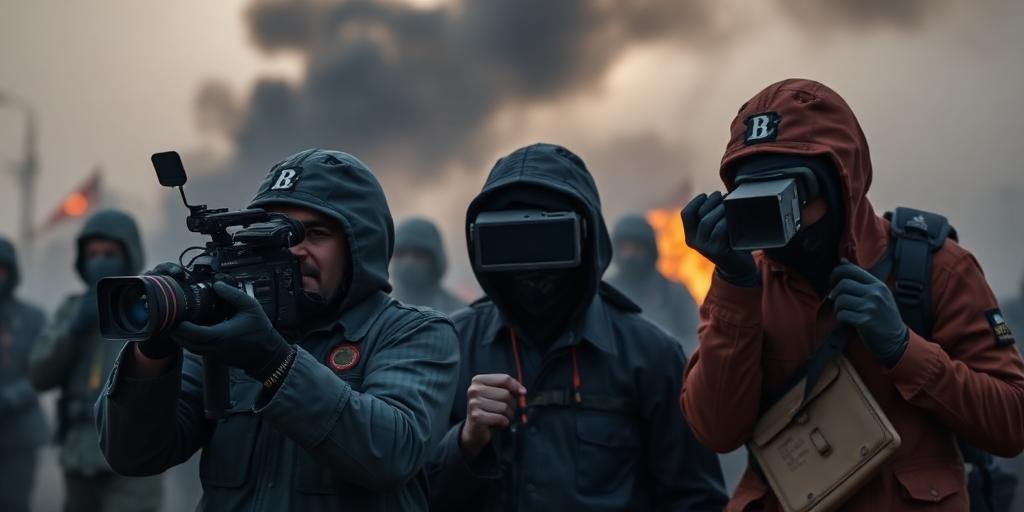
Protecting Journalists in Conflict: The Fight Against Impunity
Journalists play a critical role in conflict zones, providing the public with vital information about events on the ground. However, their work often comes at great personal risk. They face threats of violence, kidnapping, and even death. The targeting of journalists not only silences their voices but also undermines the public's right to know.
The Scale of the Problem
According to the Committee to Protect Journalists (CPJ), hundreds of journalists have been killed in conflict zones over the past few decades. Many more have been injured, detained, or forced to flee their homes. Impunity for these crimes remains a major challenge, with few cases ever fully investigated and prosecuted.
International Legal Framework
International humanitarian law (IHL) and human rights law provide a framework for the protection of journalists in conflict zones. IHL requires parties to a conflict to distinguish between combatants and civilians, and to refrain from attacking civilians. Journalists, as civilians, are protected under this framework. Human rights law guarantees freedom of expression, which is essential for journalists to carry out their work.
Challenges to Protection
Despite the legal protections in place, journalists continue to be targeted in conflict zones. Several factors contribute to this:
- Lack of political will: Governments may be unwilling or unable to investigate and prosecute crimes against journalists, especially when they involve state actors or powerful non-state groups.
- Weak judicial systems: Conflict zones often have weak or non-existent judicial systems, making it difficult to bring perpetrators to justice.
- Culture of impunity: The lack of accountability for past crimes can create a culture of impunity, emboldening those who target journalists.
- Complexity of conflicts: Modern conflicts are often complex and multi-faceted, making it difficult to identify and hold accountable those responsible for crimes against journalists.
Efforts to Combat Impunity
Several organizations are working to combat impunity for crimes against journalists. These include:
- International organizations: The United Nations, UNESCO, and the Council of Europe have all taken steps to promote the safety of journalists and combat impunity.
- Non-governmental organizations (NGOs): Organizations like CPJ, Reporters Without Borders, and the International Federation of Journalists monitor attacks on journalists, advocate for their protection, and provide support to victims and their families.
- National governments: Some governments have taken steps to improve the safety of journalists, such as establishing special protection programs and creating mechanisms for investigating and prosecuting crimes against journalists.
Recommendations
To improve the protection of journalists in conflict zones and combat impunity, the following steps are needed:
- Strengthen national legal frameworks: Governments should ensure that their national laws are in line with international standards for the protection of journalists.
- Improve investigations and prosecutions: Governments should establish independent and impartial mechanisms for investigating and prosecuting crimes against journalists.
- Enhance cooperation: International organizations, NGOs, and national governments should work together to improve the safety of journalists and combat impunity.
- Promote awareness: Raising awareness of the importance of protecting journalists and combating impunity can help to create a more supportive environment for their work.
Conclusion
Protecting journalists in conflict zones is essential for ensuring the public's right to know and for promoting accountability for human rights violations. While there are many challenges to overcome, progress is possible if governments, international organizations, and civil society work together to combat impunity and create a safer environment for journalists to carry out their work.


