
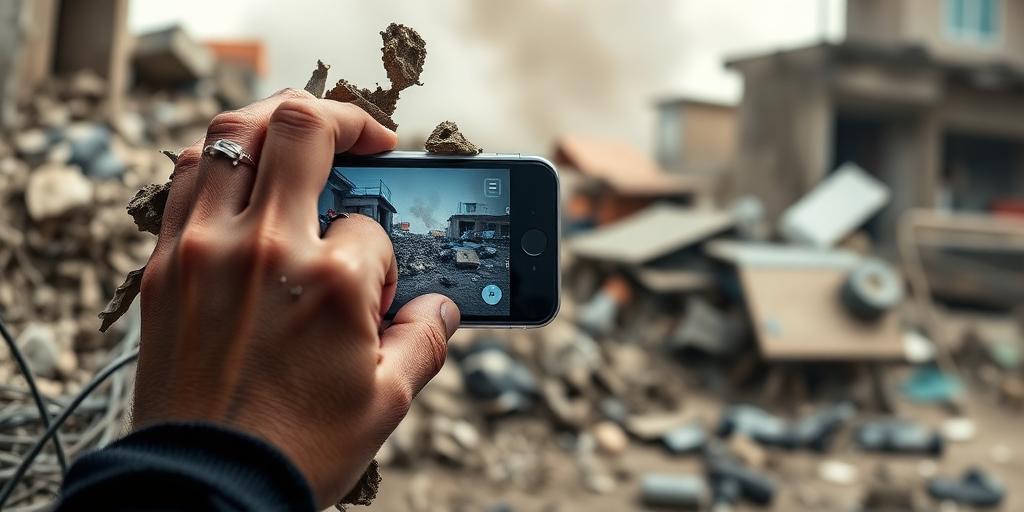
Citizen journalism has emerged as a significant force in conflict zones, providing real-time information and diverse perspectives often absent from traditional media. However, this form of reporting comes with considerable risks, and the challenge of verifying information in chaotic environments is a constant concern. This article delves into the complexities of citizen journalism in conflict zones, exploring its benefits, the dangers faced by citizen journalists, and the methods used to verify the accuracy of their reports.
The Rise of Citizen Journalism in Conflict Zones
With the proliferation of smartphones and social media, ordinary citizens can now document and share events as they unfold. In conflict zones, where access for traditional journalists may be limited or restricted, citizen journalists become crucial sources of information. They offer firsthand accounts, videos, and images that can shed light on the realities on the ground. This democratization of newsgathering can fill critical gaps in reporting, providing a more comprehensive picture of the conflict.
Risks Faced by Citizen Journalists
Despite its potential benefits, citizen journalism in conflict zones is fraught with danger. Unlike professional journalists, citizen reporters often lack formal training in safety protocols and may not have the protection of a media organization. They face numerous risks, including:
- Physical harm: Citizen journalists can be caught in the crossfire, targeted by warring parties, or arrested for their activities.
- Digital security threats: Their online communications and data can be compromised, leading to surveillance, harassment, or even physical threats.
- Psychological trauma: Witnessing violence and suffering can have a lasting impact on their mental health.
- Legal repercussions: Many countries have laws that restrict reporting on conflict, and citizen journalists may face prosecution for violating these laws.
Verification Challenges
One of the most significant challenges in citizen journalism is verifying the accuracy of information. Conflict zones are often characterized by misinformation, propaganda, and a lack of reliable sources. Verifying citizen-generated content requires a multi-faceted approach:
- Source verification: Determining the identity and credibility of the source is crucial. This involves checking their online presence, cross-referencing information with other sources, and assessing their potential biases.
- Content verification: Analyzing the content itself for inconsistencies, manipulation, or signs of fabrication. Tools like reverse image search can help identify whether an image or video has been used in a different context.
- Contextual verification: Corroborating the information with other sources, such as satellite imagery, official reports, and eyewitness accounts. Understanding the broader context of the conflict is essential for accurate reporting.
- Technical verification: Using metadata analysis to determine the time, date, and location of the content. This can help verify whether the content is authentic and relevant to the reported event.
Best Practices for Citizen Journalists
Given the risks and challenges, citizen journalists in conflict zones should adhere to certain best practices:
- Prioritize safety: Take precautions to minimize physical and digital risks. This includes using secure communication channels, protecting personal data, and avoiding dangerous areas.
- Verify information: Always double-check facts and sources before publishing or sharing information. Be transparent about the limitations of your knowledge and the uncertainties of the situation.
- Maintain neutrality: Strive to report events objectively and avoid taking sides in the conflict. Present multiple perspectives and allow audiences to draw their own conclusions.
- Protect sources: Keep the identity of sources confidential to prevent them from being targeted. Obtain informed consent before sharing their stories or images.
Conclusion
Citizen journalism plays a vital role in providing information from conflict zones, but it also presents significant risks and verification challenges. By understanding these complexities and adhering to best practices, citizen journalists can contribute to a more informed and nuanced understanding of conflict while protecting themselves and their sources. The future of conflict reporting will likely involve a combination of traditional and citizen journalism, with each playing a crucial role in uncovering the truth.


