
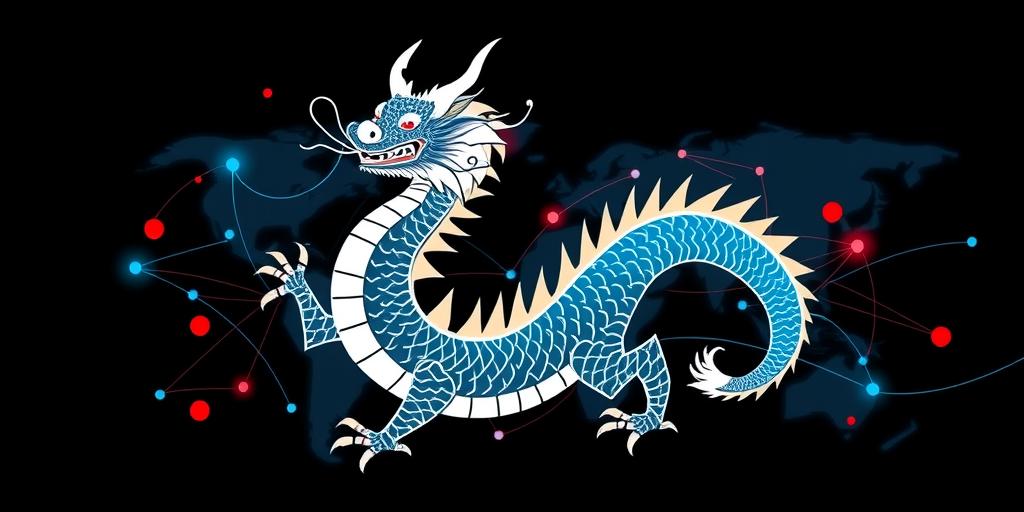
China's "Wolf Warrior" Diplomacy and its Global Media Strategy
China's foreign policy has undergone a noticeable shift in recent years, characterized by what has become known as "Wolf Warrior" diplomacy. This approach, named after a series of popular Chinese action films, signifies a more assertive and confrontational stance in international relations. Simultaneously, China has been investing heavily in its global media strategy, aiming to shape international narratives and enhance its soft power. This article delves into these two interconnected aspects of China's foreign policy.
Understanding "Wolf Warrior" Diplomacy
"Wolf Warrior" diplomacy marks a departure from China's earlier, more cautious approach to foreign relations. Key characteristics include:
- Assertive Rhetoric: Chinese diplomats and officials are more vocal and direct in defending China's interests, often using strong language to counter perceived criticisms.
- Confrontational Stance: A willingness to challenge other countries, international organizations, or media outlets that are seen as acting against China's interests.
- Social Media Engagement: Active use of social media platforms to disseminate China's views and counter opposing narratives.
This approach is seen by some as a necessary defense of China's sovereignty and interests, particularly in the face of increasing scrutiny and criticism from Western nations. Others view it as aggressive and counterproductive, damaging China's reputation and hindering international cooperation.
China's Global Media Strategy
Alongside its more assertive diplomacy, China has been strategically expanding its global media presence. This strategy aims to:
- Shape International Narratives: To present a positive image of China and its policies to international audiences.
- Counter Negative Perceptions: To address and refute criticisms or negative portrayals of China in foreign media.
- Expand Soft Power: To increase China's influence and attractiveness through cultural and informational channels.
Key components of this strategy include:
- State-Owned Media Expansion: Significant investment in state-owned media outlets like CCTV (China Central Television), CGTN (China Global Television Network), and China Radio International to increase their global reach and influence.
- International Partnerships: Collaborations with foreign media organizations to distribute Chinese content and perspectives.
- Digital Platforms: Utilizing social media platforms and online channels to disseminate information and engage with international audiences.
The Interplay Between Diplomacy and Media
The "Wolf Warrior" diplomacy and global media strategy are interconnected. Assertive diplomatic messaging is often amplified through state-owned media, while media outlets are used to defend and promote China's diplomatic positions. This coordinated approach aims to create a more favorable international environment for China.
However, the effectiveness of this approach is debated. While it may resonate with some audiences and counter certain criticisms, it can also alienate others who view it as propaganda or an attempt to control the narrative.
Conclusion
China's "Wolf Warrior" diplomacy and its global media strategy represent a significant shift in its approach to international relations. By adopting a more assertive diplomatic stance and investing in its media presence, China seeks to shape international perceptions and defend its interests. The long-term implications of these strategies remain to be seen, but they undoubtedly mark a new era in China's engagement with the world.


