
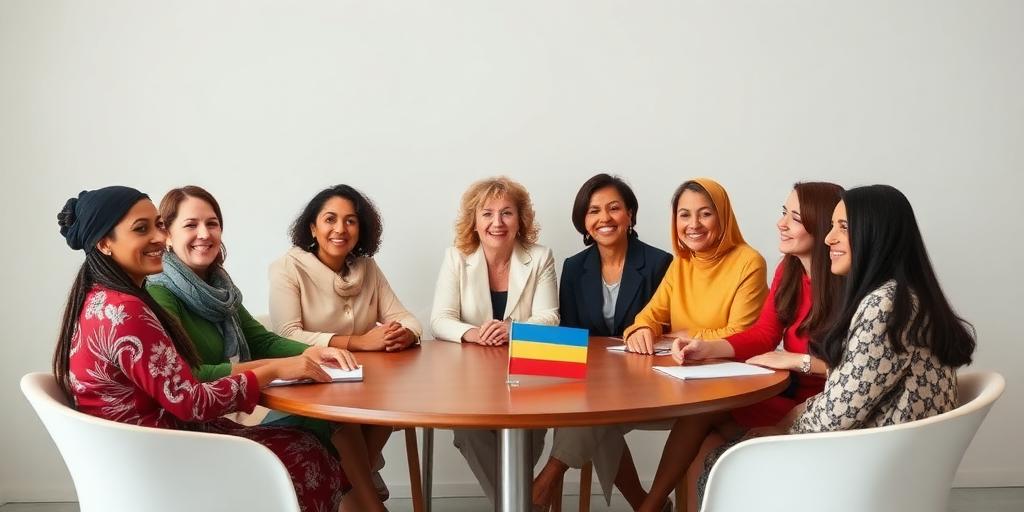
Women on the Peace Table: Why Gender Inclusion Leads to Durable Agreements
Introduction
In the intricate dance of international diplomacy, the pursuit of lasting peace is often fraught with challenges. For decades, peace negotiations have largely been the domain of men. However, a growing body of evidence suggests that the inclusion of women in peace processes is not merely a matter of equality, but a critical factor in achieving durable and sustainable agreements. This post explores why gender inclusion is vital for effective peacebuilding and the tangible benefits it brings to the negotiation table.
The Empirical Evidence
Numerous studies have highlighted the positive correlation between women's participation and the success of peace agreements. Research from organizations like UN Women and the Council on Foreign Relations indicates that when women are involved in peace processes, agreements are more likely to be implemented and last longer. A study published in the Journal of Peace Research found that peace agreements with female signatories are associated with a 35% higher chance of lasting at least 15 years.
This isn't just about numbers; it's about the qualitative impact women bring to the table. Women often prioritize issues that might otherwise be overlooked, such as social justice, education, and healthcare, which are crucial for long-term stability.
Diverse Perspectives and Priorities
Women's experiences of conflict differ significantly from those of men. They are often the primary caregivers, bear the brunt of displacement, and face specific forms of violence, such as sexual violence, used as a weapon of war. Including women ensures that these perspectives are considered in the negotiation process.
For example, in the Northern Ireland peace process, women's groups played a pivotal role in advocating for the inclusion of victims' rights and reconciliation initiatives. Their involvement helped to address the underlying social issues that fueled the conflict, leading to a more comprehensive and sustainable peace agreement.
Breaking the Cycle of Violence
Gender inclusion in peace processes also challenges traditional power dynamics that perpetuate conflict. By empowering women and giving them a seat at the table, societies can begin to break the cycle of violence and create more inclusive and equitable structures.
In Liberia, Leymah Gbowee led a women's peace movement that played a crucial role in ending the Second Liberian Civil War. By mobilizing women from diverse backgrounds, Gbowee's movement pressured warring factions to negotiate and ultimately paved the way for a peace agreement.
Challenges and Obstacles
Despite the compelling evidence, women remain underrepresented in peace processes worldwide. According to UN Women, between 1992 and 2019, women constituted on average only 13% of negotiators, 6% of mediators, and 6% of signatories in major peace processes globally. This stark reality underscores the persistent challenges and obstacles that hinder women's participation.
These obstacles include:
- Cultural and societal norms: Traditional gender roles often limit women's access to decision-making positions.
- Security concerns: Women may face threats and intimidation when participating in peace negotiations.
- Lack of resources: Women's organizations often lack the financial and logistical support needed to effectively engage in peace processes.
Strategies for Promoting Gender Inclusion
To overcome these challenges and promote greater gender inclusion, several strategies can be implemented:
- Mandates and quotas: Setting targets for women's participation in peace negotiations can help ensure their representation.
- Capacity building: Providing training and resources to women's organizations can enhance their ability to engage in peace processes.
- Advocacy and awareness: Raising awareness about the importance of gender inclusion can help to shift attitudes and norms.
- Protection and security: Ensuring the safety and security of women participating in peace negotiations is essential.
Conclusion
The inclusion of women in peace processes is not just a matter of fairness; it is a strategic imperative for achieving durable and sustainable peace. By bringing diverse perspectives, prioritizing social justice, and challenging traditional power dynamics, women play a vital role in breaking the cycle of violence and building more inclusive and equitable societies. As the international community continues to grapple with complex conflicts, it is essential to recognize and support the crucial role of women in peacebuilding. Investing in gender inclusion is an investment in a more peaceful and prosperous world.


