
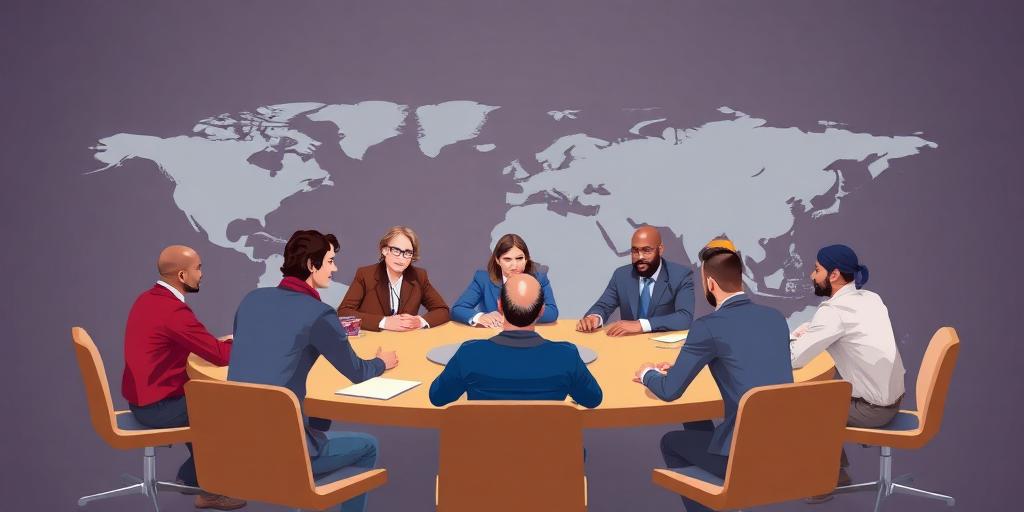
Track II diplomacy refers to informal and unofficial channels of communication and negotiation between individuals or groups outside of government. Unlike traditional, official (Track I) diplomacy conducted by government officials, Track II diplomacy involves academics, retired diplomats, NGOs, and other influential figures who can engage in dialogue and problem-solving without the constraints of formal government positions.
The primary goal of Track II diplomacy is to foster understanding, build trust, and explore potential solutions to conflicts or contentious issues in a more flexible and less constrained environment than official diplomatic channels allow. It often operates behind the scenes, providing a platform for open and frank discussions that can help pave the way for future formal negotiations.
Key characteristics of Track II diplomacy include:
- Informality: Discussions are less structured and can address sensitive topics without the need for immediate policy changes.
- Flexibility: Participants are not bound by official government policies, allowing for more creative problem-solving.
- Confidentiality: Meetings and discussions are often kept confidential to encourage openness and trust among participants.
- Inclusivity: Track II processes can involve a broader range of actors, including those marginalized in official diplomatic circles.
Track II diplomacy can play several critical roles in international relations:
- Conflict Prevention: By providing a forum for dialogue, Track II initiatives can help prevent conflicts from escalating.
- Conflict Resolution: Track II processes can facilitate communication between conflicting parties, explore common ground, and develop potential solutions.
- Confidence Building: Through sustained engagement, Track II diplomacy can build trust and understanding between individuals and groups, creating a more conducive environment for official negotiations.
- Policy Development: Insights and recommendations from Track II dialogues can inform and influence official policy decisions.
Examples of Track II diplomacy include the Dartmouth Conferences during the Cold War, which brought together American and Soviet citizens for discussions on arms control and other issues. Similarly, the Oslo Accords between Israel and Palestine were partially facilitated by informal Track II discussions.
While Track II diplomacy is not a substitute for official negotiations, it can be a valuable complement, helping to create the conditions for successful Track I engagement. By fostering dialogue, building trust, and exploring innovative solutions, Track II diplomacy plays a crucial role in keeping communication alive and promoting peaceful conflict resolution.


