
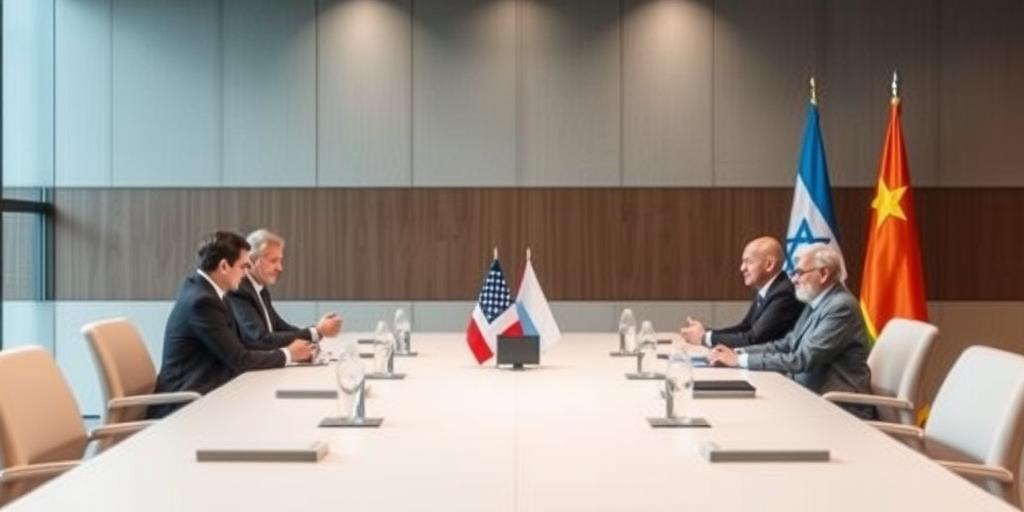
Ceasefires are complex agreements that halt active hostilities, but they are far from simple solutions. Understanding their anatomy—from negotiation to implementation—is crucial for grasping both their potential and their limitations in resolving conflicts.
1. The Spark: Initiating Ceasefire Negotiations
Ceasefire negotiations often begin through the mediation efforts of third parties, such as international organizations (like the UN), individual countries, or NGOs with established trust among the conflicting parties. These initial discussions explore the willingness of each side to halt fighting and identify potential areas of compromise.
- Pre-Negotiation Phase: This involves shuttle diplomacy, informal talks, and confidence-building measures to create an environment conducive to formal negotiations.
- Key Considerations: Motivations for a ceasefire can vary widely, including battlefield stalemate, humanitarian pressure, political calculations, or a genuine desire for peace.
2. The Table: Core Elements of Ceasefire Agreements
If initial talks prove promising, formal negotiations commence, focusing on the core elements of the ceasefire agreement. These elements are essential for establishing a framework for stability.
- Scope and Duration: Defining the geographical area covered by the ceasefire and its duration (temporary or indefinite) is crucial.
- Terms of Cessation: Clear articulation of what constitutes a violation of the ceasefire, including types of prohibited actions (e.g., troop movements, attacks, weapons deployment).
- Monitoring and Verification: Establishing mechanisms to monitor compliance with the ceasefire, often involving neutral observers or peacekeeping forces.
- Dispute Resolution: Creating procedures for addressing alleged violations and resolving disputes that arise during the ceasefire period.
3. The Ink: Challenges in Reaching an Agreement
Negotiating a ceasefire is rarely straightforward. Numerous challenges can derail the process.
- Lack of Trust: Deep-seated distrust between conflicting parties can make it difficult to reach consensus on key terms.
- Spoilers: Factions within the warring parties may oppose the ceasefire and actively seek to undermine it through violence.
- Inclusivity: Ensuring all relevant actors are included in the negotiations is vital; excluding key groups can lead to non-compliance.
- Ambiguity: Vague or ambiguous language in the agreement can lead to differing interpretations and disputes.
4. The Ground: Implementation and its Fragilities
Even a well-negotiated ceasefire can falter during implementation. Turning the agreement into reality requires careful planning and commitment.
- Communication: Effective communication channels between the parties and with the monitoring force are essential to prevent misunderstandings and de-escalate tensions.
- Enforcement: Mechanisms to address violations must be credible and impartial to deter further breaches.
- Humanitarian Access: Ceasefires often provide an opportunity to deliver humanitarian aid to affected populations, but ensuring safe and unimpeded access can be challenging.
- Political Process: A successful ceasefire should create space for a broader political process aimed at addressing the root causes of the conflict.
5. The Future: Beyond the Ceasefire
A ceasefire is not an end in itself but rather a stepping stone toward a more sustainable peace. Its long-term success depends on several factors.
- Political Will: Sustained commitment from the conflicting parties to adhere to the agreement and engage in good-faith negotiations.
- International Support: Continued support from the international community, including financial assistance, diplomatic pressure, and peacekeeping operations.
- Addressing Root Causes: A comprehensive approach that tackles the underlying issues that fueled the conflict, such as political grievances, economic disparities, and social divisions.
In conclusion, the anatomy of a ceasefire reveals a complex interplay of negotiation, implementation, and ongoing commitment. While fragile, ceasefires remain a critical tool for halting violence and creating an opportunity for lasting peace. Their effectiveness hinges on careful planning, clear communication, and the unwavering dedication of all involved parties.


