
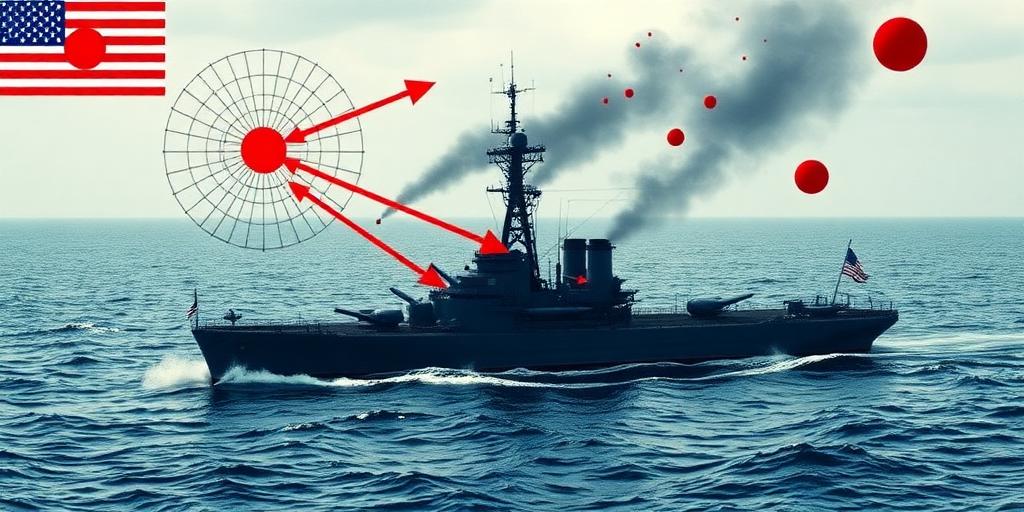
The attack on Pearl Harbor on December 7, 1941, remains a pivotal moment in American history, marking the nation's entry into World War II. While the attack was a surprise, the extent to which intelligence failures contributed to the disaster has been a subject of extensive debate and analysis. This post aims to provide an informative overview of the intelligence failures that preceded the attack and their impact on the events of that day.
Background to the Attack
In the months leading up to December 1941, tensions between the United States and Japan had been escalating due to Japan's expansionist policies in Asia. The U.S. had imposed economic sanctions on Japan, including an oil embargo, in an attempt to curb its aggression. These sanctions severely impacted Japan's economy and military capabilities, leading Japanese leaders to consider drastic measures.
Intelligence Indicators
Several intelligence indicators suggested that Japan was planning some form of military action. These included:
- Intercepted Communications: U.S. codebreakers had partially broken the Japanese diplomatic code (Purple) and were intercepting and deciphering some Japanese messages. These messages revealed increasing tension and a sense of impending action.
- Japanese Naval Activity: There were reports of unusual Japanese naval activity, including the movement of aircraft carriers. However, the significance of these movements was not fully appreciated.
- Warnings from Foreign Sources: The U.S. received warnings from foreign intelligence sources, including British intelligence, about potential Japanese aggression. These warnings were not always given sufficient weight.
Intelligence Failures
Despite these indicators, several critical intelligence failures contributed to the surprise at Pearl Harbor:
- Lack of Coordination: There was a lack of effective coordination and communication between different intelligence agencies and branches of the military. Information was not always shared or analyzed effectively.
- Underestimation of Japanese Capabilities: Some U.S. military leaders underestimated Japan's military capabilities and resolve. There was a belief that Japan would not dare to attack the United States directly.
- Focus on Other Threats: U.S. intelligence was focused on other potential threats, such as German U-boats in the Atlantic. This diverted attention and resources away from the Pacific.
- Misinterpretation of Signals: Even when intelligence was available, it was not always interpreted correctly. For example, a message indicating that Japanese envoys in Washington were about to break off negotiations was not immediately recognized as a sign of imminent attack.
Impact of the Failures
The intelligence failures at Pearl Harbor had devastating consequences:
- Surprise Attack: The U.S. Pacific Fleet was caught completely by surprise, resulting in heavy losses of ships and aircraft.
- Casualties: More than 2,400 Americans were killed, and many more were wounded.
- Entry into WWII: The attack galvanized public opinion in favor of war and led to the U.S. declaring war on Japan, officially entering World War II.
Lessons Learned
The Pearl Harbor attack led to significant reforms in the U.S. intelligence community. These included:
- Improved Coordination: Efforts were made to improve coordination and communication between different intelligence agencies.
- Enhanced Analysis: Greater emphasis was placed on the analysis of intelligence data to identify potential threats.
- Increased Resources: More resources were allocated to intelligence gathering and analysis.
Conclusion
The attack on Pearl Harbor was a tragic event that had a profound impact on American history. While the attack was the result of Japanese aggression, intelligence failures played a significant role in the extent of the disaster. The lessons learned from Pearl Harbor continue to shape U.S. intelligence practices to this day.
Long-tail keyword variations:
- Intelligence failures leading to Pearl Harbor
- How Pearl Harbor intelligence failures impacted WWII
- Pearl Harbor attack warning signs missed
- US intelligence before Pearl Harbor
- Lessons learned from Pearl Harbor intelligence


