
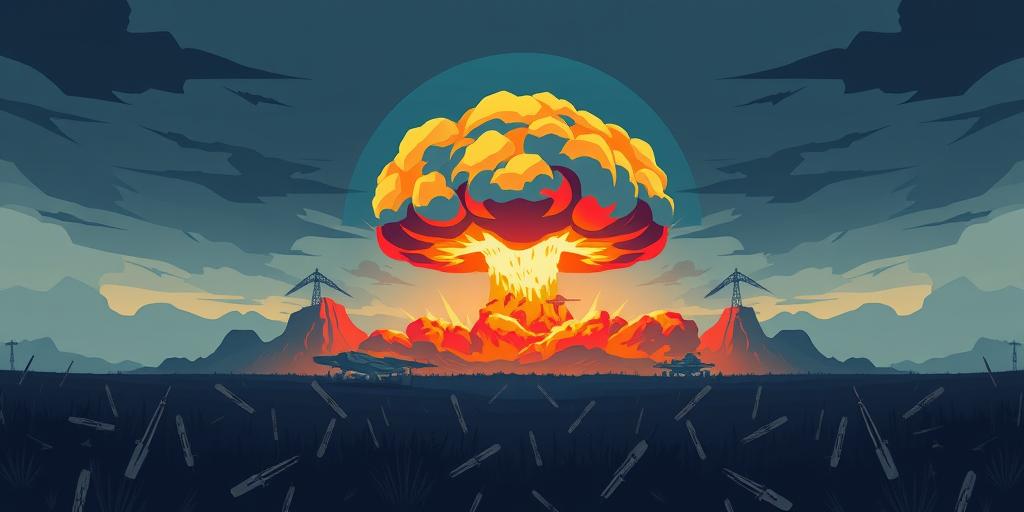
Tactical Nuclear Weapons: Lowering the Threshold for Atomic War?
The phrase "tactical nuclear weapon" conjures images of battlefield deployment and limited strikes, distinct from the planet-altering devastation associated with strategic nuclear arsenals. However, the reality is far more complex and potentially dangerous. This article delves into the nature of tactical nuclear weapons, their potential impact on modern warfare, and the critical question: Do they lower the threshold for nuclear conflict?
Defining Tactical Nuclear Weapons
Unlike strategic nuclear weapons designed to obliterate entire cities or cripple an enemy's nuclear capabilities, tactical nuclear weapons are intended for use on the battlefield or against specific military targets. They generally have a lower yield – the amount of energy released upon detonation – ranging from fractions of a kiloton to tens of kilotons. Delivery methods vary, including artillery shells, short-range missiles, and air-dropped bombs.
The ambiguity lies in the definition. There is no universally agreed-upon yield threshold that separates tactical from strategic weapons. This lack of clarity adds to the complexity and heightens the risk of miscalculation.
The Allure and the Danger
The perceived advantage of tactical nuclear weapons is their potential to achieve specific military objectives without triggering a full-scale nuclear exchange. Proponents argue they can deter conventional attacks, destroy fortified positions, or cripple enemy advances. However, this logic rests on several dangerous assumptions:
- Limited Use Remains Limited: The assumption that a tactical nuclear strike can remain isolated is highly questionable. The use of any nuclear weapon, regardless of yield, crosses a significant threshold. It is difficult to predict how an adversary will respond, and escalation to strategic weapons is a very real possibility.
- Accurate Targeting is Guaranteed: Modern warfare is complex and chaotic. The risk of misidentification, collateral damage, and unintended consequences is substantial. A tactical strike gone wrong could have devastating and far-reaching effects.
- Escalation Control is Possible: Maintaining control over escalation in the aftermath of a nuclear detonation is an enormous challenge. Communication channels could be disrupted, decision-making processes overwhelmed, and misinterpretations could easily spiral out of control.
Lowering the Threshold
The deployment and potential use of tactical nuclear weapons arguably lower the threshold for nuclear war in several ways:
- Increased Temptation: The perception that these weapons are "usable" may tempt military commanders or political leaders to consider their use in a desperate situation.
- Reduced Decision Time: The short distances involved in tactical scenarios mean leaders have less time to assess the situation and make informed decisions. This increases the risk of rash actions based on incomplete information.
- Blurred Lines: The lack of a clear distinction between tactical and strategic weapons makes it difficult to predict an adversary's response. This ambiguity creates a dangerous environment where miscalculation can lead to catastrophic consequences.
The Path Forward
The risks associated with tactical nuclear weapons are undeniable. Reducing these risks requires a multi-pronged approach:
- Arms Control Agreements: Negotiating verifiable arms control agreements that limit or eliminate tactical nuclear weapons is crucial.
- Transparency and Dialogue: Enhancing transparency and fostering open communication channels between nuclear-armed states can help reduce the risk of miscalculation.
- Strengthening Deterrence: Maintaining a credible strategic deterrent remains essential to prevent any nation from considering the use of nuclear weapons.
The future of nuclear warfare hinges on the decisions we make today. Tactical nuclear weapons present a clear and present danger. Recognizing the risks and taking decisive action to reduce them is paramount to preventing a nuclear catastrophe.


