
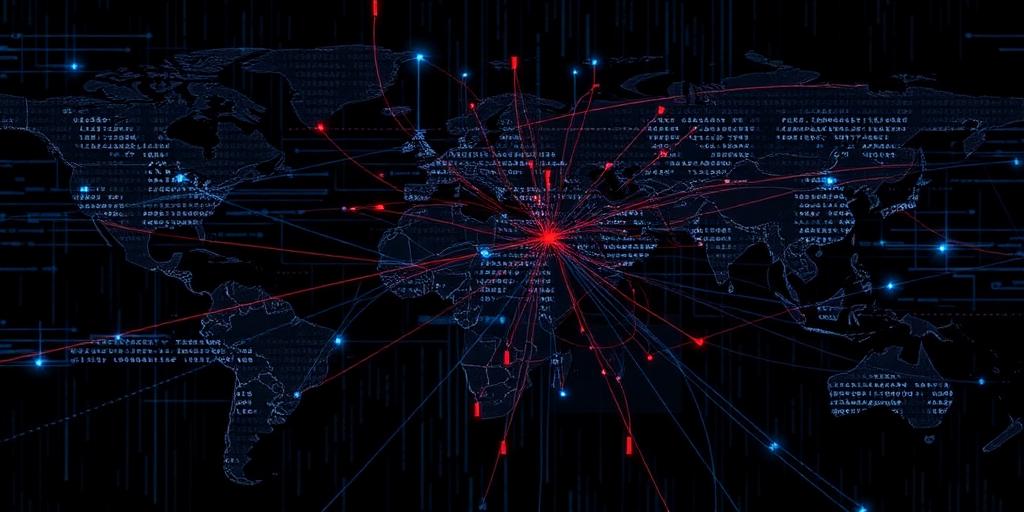
State-Sponsored Cyber Espionage: The Silent War for Information Dominance
In the shadows of the digital realm, a silent war rages. State-sponsored cyber espionage has emerged as a critical battleground for information dominance, where nations vie for strategic advantage through clandestine online operations. This article delves into the intricate world of state-backed hacking, its motivations, methods, and the profound implications for global security and international relations.
Understanding State-Sponsored Cyber Espionage
State-sponsored cyber espionage involves governments employing intelligence agencies, military units, or contracted hacking groups to conduct cyber operations against other nations, organizations, or individuals. These operations are typically carried out with the intent to:
- Gather intelligence: Obtain sensitive political, economic, military, or technological information.
- Steal intellectual property: Acquire proprietary data, trade secrets, and research findings.
- Disrupt critical infrastructure: Sabotage essential services, such as power grids, communication networks, or financial systems.
- Influence public opinion: Spread disinformation, propaganda, or manipulate social media narratives.
Motivations Behind State-Sponsored Cyber Espionage
Nations engage in cyber espionage for a variety of strategic reasons:
- National Security: Gathering intelligence on potential threats, military capabilities, and geopolitical strategies of rival nations.
- Economic Gain: Obtaining competitive advantages by stealing trade secrets, research data, and proprietary technologies.
- Political Influence: Manipulating elections, spreading propaganda, and undermining political rivals.
- Geopolitical Leverage: Disrupting critical infrastructure, destabilizing economies, and exerting pressure on targeted nations.
Methods and Techniques Employed
State-sponsored actors employ a range of sophisticated methods and techniques to achieve their objectives:
- Advanced Persistent Threats (APTs): Long-term, targeted intrusions into networks to gather intelligence over extended periods.
- Spear Phishing: Crafting highly targeted emails to deceive individuals into revealing sensitive information or installing malware.
- Zero-Day Exploits: Leveraging previously unknown vulnerabilities in software or hardware to gain unauthorized access.
- Supply Chain Attacks: Compromising trusted vendors or suppliers to infiltrate target networks.
- Distributed Denial-of-Service (DDoS) Attacks: Overwhelming target systems with malicious traffic, rendering them unavailable.
Notable Examples of State-Sponsored Cyber Espionage
Several high-profile incidents have exposed the scope and impact of state-sponsored cyber espionage:
- SolarWinds Hack: A supply chain attack attributed to Russia that compromised numerous U.S. government agencies and private companies.
- NotPetya Attack: A destructive malware attack attributed to Russia that caused billions of dollars in damages worldwide.
- APT1 (Unit 61398): A Chinese military unit linked to numerous cyber espionage campaigns targeting U.S. companies.
- Stuxnet Worm: A sophisticated malware designed to sabotage Iran's nuclear program, allegedly developed by the U.S. and Israel.
Implications for Global Security and International Relations
State-sponsored cyber espionage poses significant challenges to global security and international relations:
- Erosion of Trust: Undermines trust between nations, leading to increased tensions and potential conflicts.
- Economic Losses: Causes significant financial damages due to intellectual property theft, disruption of critical infrastructure, and reputational harm.
- National Security Risks: Compromises sensitive government information, military plans, and intelligence operations.
- Privacy Violations: Exposes personal data, communications, and online activities of individuals to government surveillance.
Defending Against State-Sponsored Cyber Espionage
Combating state-sponsored cyber espionage requires a multi-faceted approach involving governments, organizations, and individuals:
- Strengthening Cybersecurity Infrastructure: Implementing robust security measures, such as firewalls, intrusion detection systems, and endpoint protection.
- Enhancing Threat Intelligence: Sharing information about emerging threats, attack patterns, and indicators of compromise.
- Promoting International Cooperation: Establishing norms of behavior in cyberspace, fostering collaboration, and developing joint response strategies.
- Raising Awareness: Educating individuals and organizations about the risks of cyber espionage and best practices for protecting sensitive information.
- Developing Offensive Capabilities: Maintaining a credible cyber deterrent to discourage potential adversaries from engaging in malicious activities.
Conclusion
State-sponsored cyber espionage represents a persistent and evolving threat to national security, economic stability, and international relations. As nations continue to leverage cyberspace for strategic advantage, it is imperative to strengthen defenses, foster collaboration, and establish clear norms of behavior to mitigate the risks of this silent war for information dominance.


