
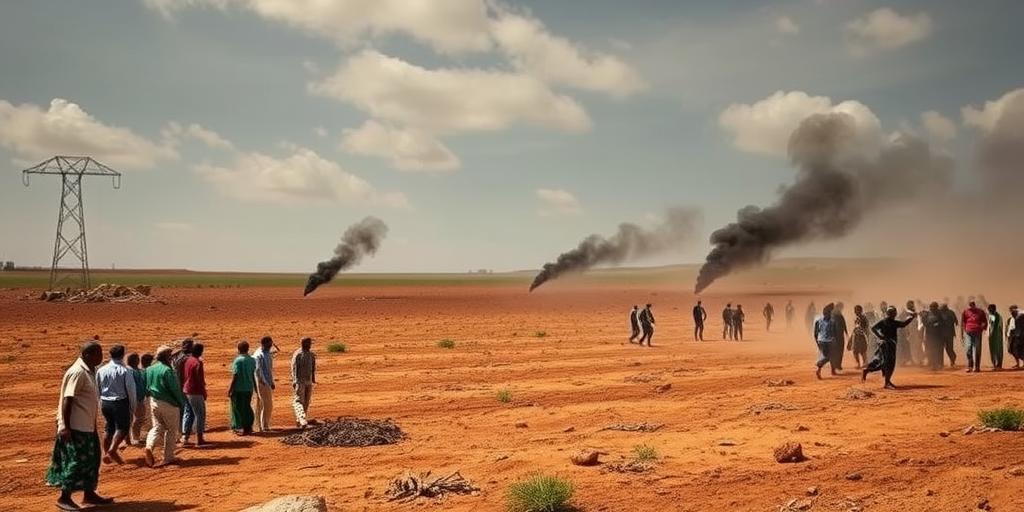
Climate Change as a Threat Multiplier: Fueling Conflicts Worldwide
Climate change is no longer a distant threat; it's a present-day reality exacerbating existing global conflicts and creating new ones. This article explores how environmental changes act as a 'threat multiplier,' intensifying social, economic, and political instability around the world.
Understanding the Threat Multiplier Effect
The term 'threat multiplier' describes how climate change amplifies existing stressors, such as poverty, resource scarcity, and political instability. These stressors, when combined with the impacts of climate change, can lead to increased conflict and displacement.
Resource Scarcity
Climate change leads to increased resource scarcity, particularly water and arable land. As rainfall patterns shift and temperatures rise, agricultural yields decline, and access to fresh water becomes more challenging. This scarcity can lead to conflicts between communities and nations vying for these essential resources.
Displacement and Migration
Extreme weather events, such as floods, droughts, and hurricanes, are becoming more frequent and intense due to climate change. These events can displace large populations, leading to migration and potential conflicts over resources and land in host communities. Rising sea levels also threaten coastal communities, forcing them to relocate and potentially increasing competition for resources in inland areas.
Economic Instability
Climate change impacts various sectors, including agriculture, fisheries, and tourism, leading to economic instability. Declining crop yields and reduced fish stocks can lead to food insecurity and unemployment, increasing the risk of social unrest and conflict. Additionally, the costs associated with disaster relief and adaptation measures can strain government budgets, further exacerbating economic challenges.
Political Instability
Climate change can undermine governance and exacerbate political instability, particularly in countries with weak institutions and pre-existing conflicts. Environmental stresses can erode trust in government, leading to social unrest and potentially violent conflict. In some cases, non-state actors may exploit climate-related grievances to gain support and legitimacy.
Case Studies
- The Darfur Conflict: In Darfur, Sudan, desertification and drought have exacerbated competition over land and water resources between farmers and herders, contributing to a prolonged and deadly conflict.
- The Syrian Civil War: While not the sole cause, climate change-induced drought contributed to the displacement of rural populations and increased social unrest in Syria prior to the outbreak of the civil war.
- The Lake Chad Basin Crisis: Shrinking water resources in Lake Chad have intensified competition between farmers, herders, and fishermen, leading to increased conflict and providing opportunities for extremist groups to exploit the situation.
Addressing the Challenge
Addressing climate change as a threat multiplier requires a multifaceted approach:
- Mitigation: Reducing greenhouse gas emissions to limit the extent of future climate change impacts.
- Adaptation: Implementing measures to help communities and nations adapt to the impacts of climate change, such as investing in water management infrastructure, developing drought-resistant crops, and strengthening disaster preparedness.
- Peacebuilding: Addressing the underlying drivers of conflict and promoting peaceful resolution mechanisms.
- Development: Investing in sustainable development initiatives to reduce poverty, improve livelihoods, and strengthen governance.
Climate change is not just an environmental issue; it's a security issue. By understanding and addressing the threat multiplier effect, we can work towards building a more peaceful and sustainable world.


