
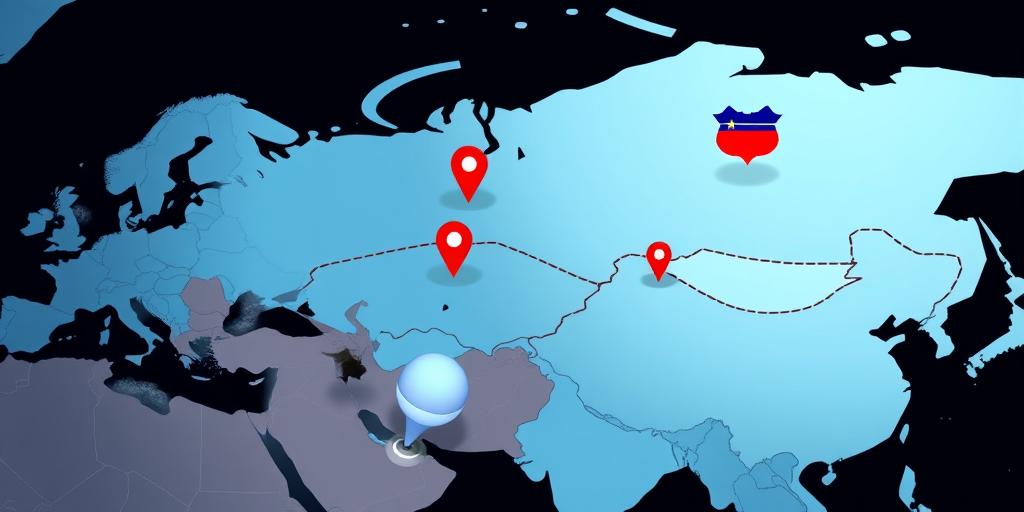
Russia's Pivot to the East: Deepening Ties with China and North Korea
In the wake of increasing international sanctions and diplomatic isolation from the West, Russia has been actively reorienting its foreign policy and economic partnerships towards the East. This pivot is most notably characterized by the deepening of ties with China and North Korea, signaling a significant shift in Russia's geopolitical strategy.
Strengthening Sino-Russian Relations
The relationship between Russia and China has been steadily growing stronger over the past decade. Driven by shared strategic interests and a desire to counter U.S. influence, both nations have expanded cooperation across various sectors:
- Economic Cooperation: Trade volume between Russia and China has surged, with both countries seeking to reduce reliance on the U.S. dollar in bilateral transactions. Key projects include the Power of Siberia gas pipeline and joint investments in infrastructure and energy.
- Military Cooperation: Russia remains a major supplier of advanced military technology to China. Joint military exercises have also increased in frequency and scope, demonstrating enhanced interoperability and strategic alignment.
- Diplomatic Coordination: Both countries frequently align their positions on international issues within the United Nations Security Council, presenting a united front on matters such as sanctions and intervention in sovereign states.
Engagement with North Korea
Russia's engagement with North Korea has also seen a notable uptick. This engagement is multifaceted:
- Economic Support: Russia has provided economic assistance to North Korea, including food and energy supplies, which are crucial for the country's stability.
- Political Backing: Russia has consistently advocated for a peaceful resolution to the North Korean nuclear crisis, often contrasting with the more hardline stances of the United States and its allies.
- Labor Cooperation: There have been reports of North Korean laborers working in Russia, providing a source of revenue for North Korea and addressing labor shortages in certain Russian sectors.
Implications of Russia's Eastern Pivot
The deepening ties between Russia, China, and North Korea have several important implications:
- Geopolitical Realignment: This alignment challenges the existing U.S.-led international order, potentially leading to a more multipolar world.
- Economic Resilience: By diversifying its economic partnerships, Russia aims to mitigate the impact of Western sanctions and secure access to vital markets and resources.
- Security Concerns: The growing military cooperation between these nations raises concerns among Western powers and neighboring countries, particularly regarding regional stability.
Conclusion
Russia's pivot to the East represents a strategic recalibration in response to geopolitical pressures. The deepening ties with China and North Korea are reshaping regional dynamics and raising questions about the future of international relations. As these partnerships continue to evolve, their impact on global security and economic landscapes will warrant close observation and analysis.
Long-Tail Keywords:
- Russia China relations analysis
- Russia North Korea economic ties
- Russia pivot to Asia sanctions impact
- Geopolitical implications of Russia China alignment
- Russia foreign policy shift to East


