
NATO's Northern Expansion: How Finland and Sweden Reshape European Security
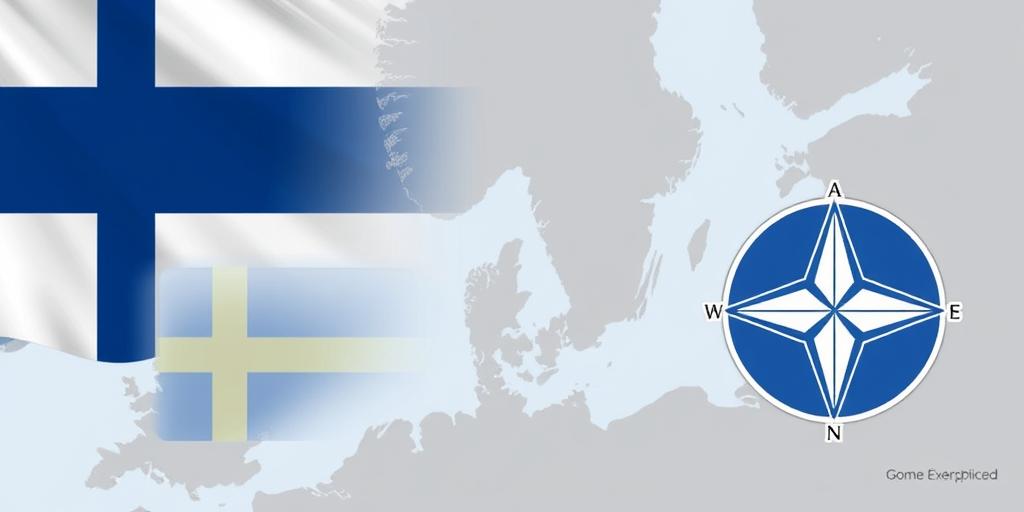
The geopolitical landscape of Europe has undergone a significant transformation with the accession of Finland and the anticipated entry of Sweden into the North Atlantic Treaty Organization (NATO). This northern expansion marks a pivotal moment in European security, altering the strategic balance and necessitating a reevaluation of regional defense postures. This post examines the implications of Finland and Sweden joining NATO, focusing on the strategic, military, and political dimensions of this historic shift.
Strategic Realignment in the Baltic Sea
The inclusion of Finland and Sweden in NATO dramatically reshapes the strategic dynamics of the Baltic Sea region. Historically, both nations maintained a policy of neutrality, acting as buffer states. With Finland's accession and Sweden's expected entry, the Baltic Sea effectively becomes a NATO-dominated area. This has several key implications:
- Enhanced Deterrence: NATO's presence is significantly strengthened, providing a more robust deterrent against potential Russian aggression. The combined military capabilities of Finland and Sweden, coupled with NATO's collective defense commitment, create a formidable security umbrella.
- Improved Maritime Control: With the addition of the Finnish and Swedish navies, NATO gains enhanced control over critical maritime routes in the Baltic Sea. This ensures greater security for shipping lanes and energy infrastructure.
- Forward Operating Bases: Finland and Sweden offer valuable forward operating bases for NATO forces, allowing for quicker response times and improved logistical support in the region.
Military Capabilities and Interoperability
Finland and Sweden bring advanced military capabilities and a high degree of interoperability with NATO forces. Both countries have invested heavily in modern defense systems and maintain well-trained, professional armed forces.
- Finland's Defense Prowess: Finland's military is characterized by its robust conscription system, large reserve force, and advanced artillery and air defense systems. Its extensive border with Russia—approximately 830 miles—makes it a crucial asset in NATO's defense strategy.
- Sweden's Technological Edge: Sweden's defense industry is renowned for its innovation, producing high-quality combat aircraft, submarines, and missile systems. Its commitment to technological advancement enhances NATO's overall military capabilities.
- Interoperability: Both Finland and Sweden have actively participated in joint military exercises with NATO members, ensuring a high level of interoperability. This facilitates seamless integration into NATO's command structure and operational procedures.
Political and Diplomatic Dimensions
The decision by Finland and Sweden to join NATO reflects a significant shift in their foreign policy orientation, driven by concerns over Russian aggression in Ukraine. This move has profound political and diplomatic implications.
- Increased Security Cooperation: NATO membership solidifies the commitment of Finland and Sweden to collective defense, fostering closer security cooperation with other member states. This enhances their ability to respond to emerging threats and challenges.
- Deterrent to Russian Aggression: The expansion of NATO sends a clear message to Russia that further aggression will be met with a united and resolute response. This serves as a deterrent against potential escalations in the region.
- Regional Stability: By joining NATO, Finland and Sweden contribute to greater stability and predictability in the Baltic Sea region. This reduces the risk of miscalculation and enhances crisis management capabilities.
Challenges and Considerations
Despite the numerous benefits, the northern expansion of NATO also presents several challenges and considerations.
- Russian Response: Russia has repeatedly expressed its opposition to NATO expansion, viewing it as a threat to its security interests. The accession of Finland and Sweden is likely to elicit a strong response from Moscow, potentially including increased military activity in the Baltic Sea region.
- Integration Costs: Integrating Finland and Sweden into NATO's command structure and defense planning requires significant resources and coordination. Ensuring seamless integration is essential to maximizing the benefits of this expansion.
- Maintaining Unity: Maintaining unity among NATO members is crucial to effectively deterring aggression and responding to emerging threats. Differences in strategic priorities and threat perceptions could undermine the alliance's cohesion.
Conclusion
The northern expansion of NATO, with the inclusion of Finland and Sweden, represents a transformative moment in European security. This strategic realignment enhances NATO's deterrence capabilities, improves maritime control in the Baltic Sea, and fosters closer security cooperation among member states. While challenges remain, the integration of Finland and Sweden into NATO strengthens the alliance's ability to safeguard peace and stability in the region.


