
China's Belt and Road Initiative: Five Years On – Successes and Stumbles
Launched in 2013, China's Belt and Road Initiative (BRI) is one of the most ambitious infrastructure projects in history. Aiming to connect Asia with Africa and Europe via land and maritime networks, the BRI promised to boost trade, stimulate economic growth, and foster international cooperation. Five years on, it's time to assess the initiative's successes and stumbles.
What is the Belt and Road Initiative?
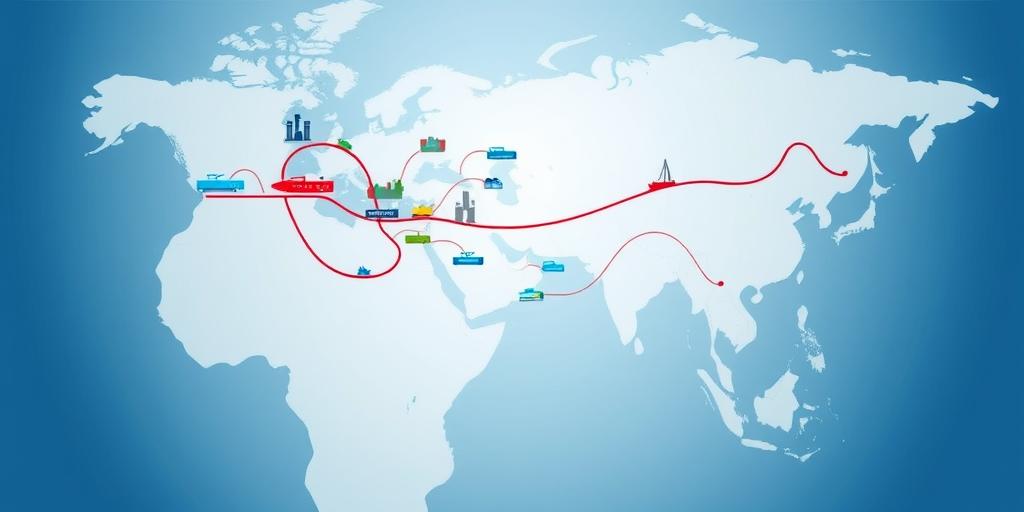
The BRI is a massive infrastructure development project that includes building railways, roads, ports, energy pipelines, and telecommunications networks. It involves over 150 countries and international organizations, with China investing trillions of dollars in participating nations. The initiative is composed of two main components:
- The Silk Road Economic Belt: A land-based route connecting China with Central Asia, Russia, and Europe.
- The Maritime Silk Road: A sea route linking China's coastal regions with Southeast Asia, South Asia, the Middle East, and Africa.
Successes of the BRI
Infrastructure Development: The BRI has led to significant infrastructure improvements in many developing countries. New roads, railways, and ports have enhanced connectivity, reduced transportation costs, and facilitated trade.
Economic Growth: By stimulating investment and trade, the BRI has contributed to economic growth in participating countries. The initiative has created jobs, boosted local industries, and increased incomes.
Increased Connectivity: The BRI has improved connectivity between countries and regions, fostering greater integration and cooperation. This has facilitated the movement of goods, services, and people, promoting cultural exchange and understanding.
Financing and Investment: The BRI has provided much-needed financing for infrastructure projects in countries that often struggle to attract investment. China's financial institutions have played a key role in funding these projects, offering loans and grants to participating nations.
Stumbles and Challenges of the BRI
Debt Sustainability: One of the main criticisms of the BRI is that it has led to unsustainable debt levels in some participating countries. Some nations have struggled to repay the loans, raising concerns about debt traps and economic dependence on China.
Environmental Impact: The construction of infrastructure projects under the BRI has had significant environmental consequences. Deforestation, habitat destruction, and pollution have been reported in several regions, raising concerns about the sustainability of the initiative.
Geopolitical Concerns: The BRI has been viewed by some as a tool for China to expand its geopolitical influence. Concerns have been raised about China's growing economic and political power, and its potential impact on the global balance of power.
Transparency and Governance: Critics have pointed to a lack of transparency and accountability in the implementation of BRI projects. Concerns have been raised about corruption, lack of competitive bidding, and inadequate environmental and social safeguards.
The Future of the BRI
As the BRI moves forward, it faces both opportunities and challenges. To ensure its long-term success, it is crucial for China to address the concerns about debt sustainability, environmental impact, and transparency. Greater collaboration with international organizations, adherence to international standards, and a focus on sustainable development are essential.
The BRI has the potential to bring significant benefits to participating countries, but it must be implemented in a responsible and sustainable manner. By addressing the stumbles and challenges, the BRI can contribute to a more prosperous and interconnected world.


