
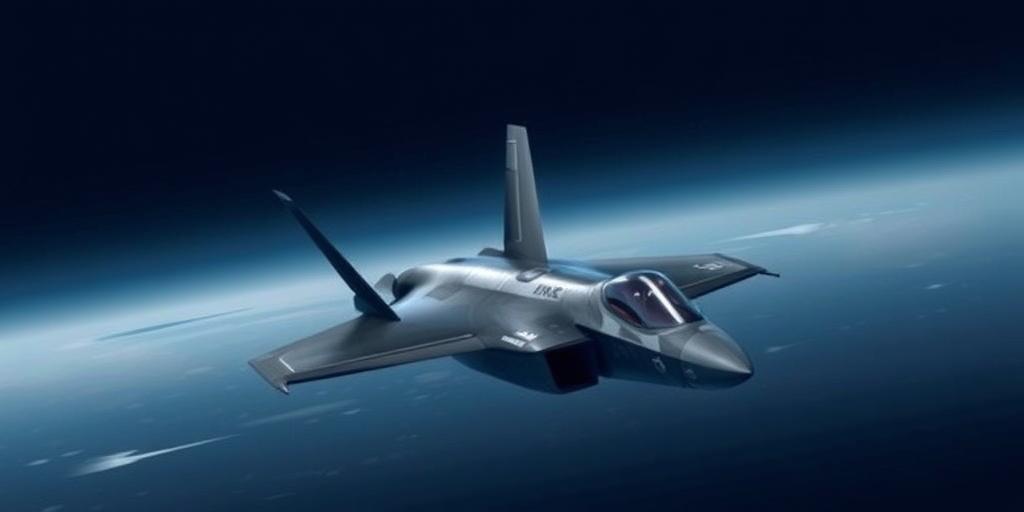
The F-35 Lightning II program stands as one of the most ambitious and expensive military projects in history. Conceived as a multirole fighter to replace various aging aircraft across the US Air Force, Navy, and Marine Corps, as well as allied nations, the F-35 has been lauded for its advanced technology and criticized for its staggering costs and developmental delays.
Combat Effectiveness: A Deep Dive
The F-35 incorporates stealth technology, advanced sensors, and network capabilities designed to provide a decisive advantage in modern aerial combat. Its ability to gather, fuse, and share information makes it a formidable platform for intelligence, surveillance, and reconnaissance (ISR) missions. However, questions persist regarding its performance in close-range dogfights and its vulnerability to emerging threat technologies.
- Stealth Capabilities: The F-35's low observable characteristics reduce its detectability by enemy radar, allowing it to penetrate contested airspace more effectively.
- Sensor Fusion: Its advanced sensors and data processing capabilities provide pilots with enhanced situational awareness, enabling them to make better decisions in complex combat scenarios.
- Network-Centric Warfare: The F-35 can share data with other platforms, creating a networked battlespace that enhances overall combat effectiveness.
Skyrocketing Costs: An Economic Burden
The F-35 program has faced significant cost overruns and delays, making it one of the most expensive weapon systems ever developed. The high acquisition and sustainment costs have raised concerns among policymakers and taxpayers alike. Critics argue that the program's cost is unsustainable and diverts resources from other critical defense priorities.
- Acquisition Costs: The cost of purchasing each F-35 aircraft has been a major point of contention. Efforts to reduce production costs have yielded some success, but the overall price tag remains high.
- Sustainment Costs: The long-term costs of maintaining and upgrading the F-35 fleet are also a concern. These costs include maintenance, spare parts, and software upgrades, which can add up over the aircraft's lifespan.
- Economic Impact: The F-35 program has created jobs and stimulated economic activity in various regions. However, the high cost of the program raises questions about whether the economic benefits outweigh the financial burden.
Conclusion
The F-35 program represents a significant investment in advanced military technology. While it offers advanced capabilities, its high costs and developmental challenges cannot be ignored. As the program continues to evolve, ongoing scrutiny and oversight are essential to ensure that it delivers the intended benefits at a reasonable cost.


