
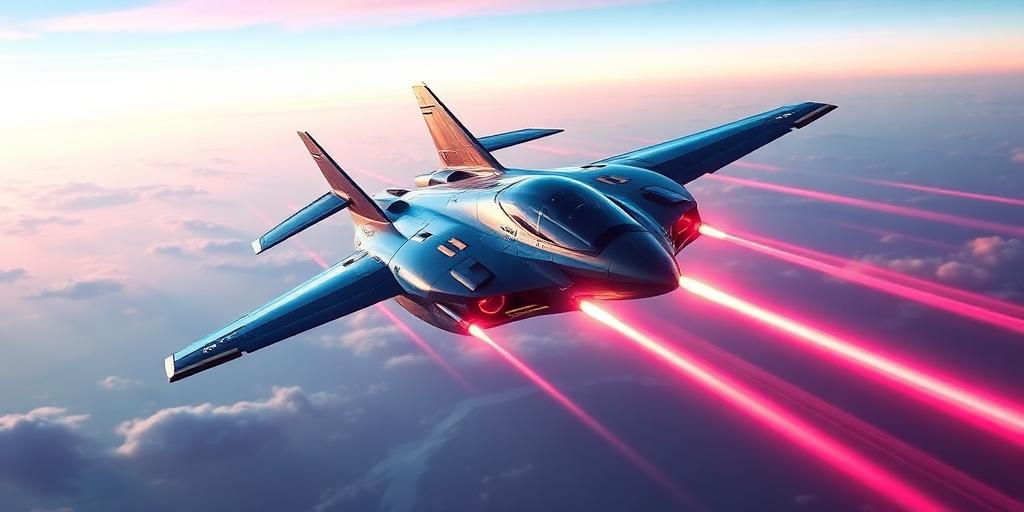
Sixth-Generation Fighter Jets: What Will Dominate the Skies in 2040?
The future of aerial warfare is constantly evolving, pushing the boundaries of technology and engineering. As we look ahead to 2040, sixth-generation fighter jets are poised to redefine air dominance. But what exactly are these advanced aircraft, and what capabilities will set them apart from their predecessors?
Defining Sixth-Generation Fighters
Sixth-generation fighter jets represent the cutting edge of aerospace technology. Unlike the incremental improvements seen in previous generations, these aircraft will integrate a suite of revolutionary features and capabilities. Key characteristics include:
- Enhanced Connectivity and Networking: Seamless integration with other air, land, and sea assets via advanced data links and communication systems.
- Artificial Intelligence (AI) Integration: AI-driven systems for autonomous flight, sensor fusion, threat assessment, and decision-making support.
- Advanced Sensor Suites: Next-generation radar, electro-optical sensors, and electronic warfare systems providing unparalleled situational awareness.
- Hypersonic Capabilities: The ability to fly at speeds exceeding Mach 5, enabling rapid response and maneuverability.
- Directed Energy Weapons: Integration of laser and microwave weapons for both offensive and defensive purposes.
- Stealth Technology: Enhanced stealth capabilities to minimize radar cross-section and infrared signatures.
Key Technologies Shaping the Future
Several key technologies are driving the development of sixth-generation fighters:
- Artificial Intelligence (AI): AI algorithms will enable autonomous flight, sensor fusion, and real-time decision-making, enhancing pilot effectiveness.
- Advanced Materials: Lightweight composites and alloys will improve aircraft performance and reduce weight.
- Hypersonic Propulsion: Scramjet and dual-mode ramjet engines will enable sustained hypersonic flight.
- Directed Energy Weapons: High-energy lasers and microwave weapons will provide new offensive and defensive capabilities.
- Next-Generation Sensors: AESA radars, infrared search and track (IRST) systems, and advanced electronic warfare suites will provide superior situational awareness.
Leading Development Programs
Several countries are investing heavily in sixth-generation fighter programs:
- United States: The Next Generation Air Dominance (NGAD) program aims to develop a family of systems, including a manned fighter and unmanned collaborative platforms.
- United Kingdom: The Tempest program is a collaborative effort involving the UK, Italy, and Sweden to develop a next-generation fighter with advanced capabilities.
- Japan: Japan's F-X program seeks to develop a domestic sixth-generation fighter with a focus on advanced sensors and networking capabilities.
- France and Germany: The Future Combat Air System (FCAS) program aims to develop a next-generation fighter and unmanned systems for joint operations.
Implications for Future Air Warfare
The introduction of sixth-generation fighter jets will have profound implications for the future of air warfare:
- Enhanced Air Dominance: Superior sensor capabilities, AI-driven systems, and advanced weaponry will enable sixth-generation fighters to dominate the skies.
- Increased Autonomy: Autonomous flight and decision-making capabilities will reduce pilot workload and enhance mission effectiveness.
- Networked Warfare: Seamless integration with other assets will enable coordinated operations and information sharing across the battlefield.
- Asymmetric Capabilities: Hypersonic speeds and directed energy weapons will provide asymmetric advantages against conventional threats.
Challenges and Considerations
Despite the potential benefits, the development of sixth-generation fighters faces several challenges:
- High Development Costs: The integration of advanced technologies and complex systems will drive up development costs.
- Technological Risks: The development of hypersonic propulsion, directed energy weapons, and AI-driven systems poses significant technological challenges.
- Ethical Considerations: The use of autonomous systems and AI-driven decision-making raises ethical concerns.
- Countermeasures: Adversaries will likely develop countermeasures to mitigate the advantages of sixth-generation fighters.
Conclusion
Sixth-generation fighter jets represent a significant leap forward in aerospace technology, promising to redefine air dominance in the coming decades. With advanced sensors, AI-driven systems, hypersonic capabilities, and directed energy weapons, these aircraft will offer unparalleled capabilities. However, the development of these advanced fighters also poses significant challenges, including high costs, technological risks, and ethical considerations. As we approach 2040, the race to develop and deploy sixth-generation fighters will shape the future of air warfare.


