
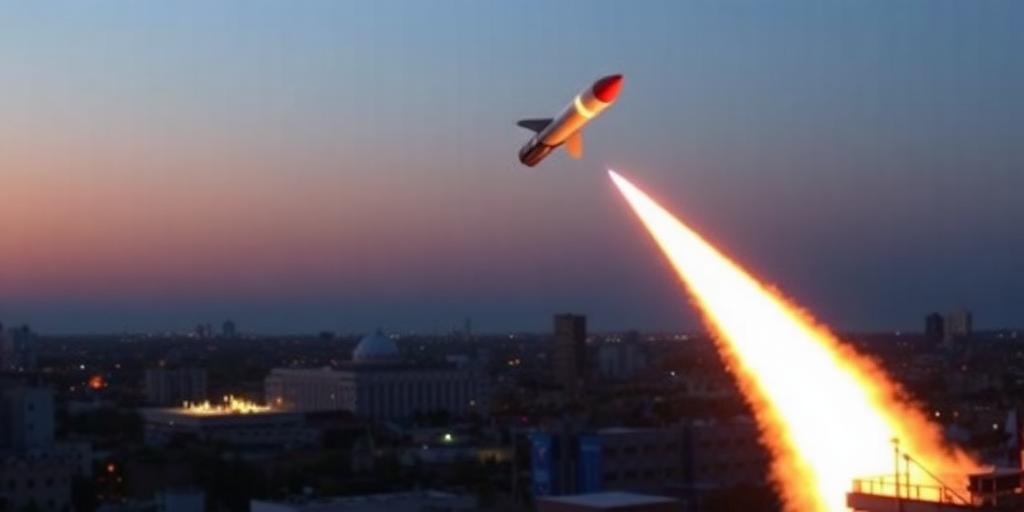
Israel's Iron Dome: Successes, Limitations, and the Next Generation
The Iron Dome is a mobile all-weather air defense system developed by Rafael Advanced Defense Systems and Israel Aerospace Industries. Designed to intercept and destroy short-range rockets and artillery shells, it has become a key component of Israel's multi-layered defense strategy. This post will explore the system's development, capabilities, limitations, and future.
Development and Deployment
Development began in 2007, spurred by the need to counter the increasing rocket threat from groups like Hamas and Hezbollah. The system was declared operational in 2011. Key milestones include:
- 2007: Development initiated.
- 2011: First operational deployment.
- 2012: Demonstrated high interception rates during Operation Pillar of Defense.
Capabilities and Successes
The Iron Dome is designed to intercept rockets with a range of 4 to 70 kilometers. Its key features include:
- Radar Detection: Detects incoming rockets and calculates their trajectory.
- Command and Control: Determines if the rocket poses a threat to a populated area.
- Interceptor Missile: Launches a Tamir interceptor missile to destroy the incoming rocket mid-air.
It has demonstrated high interception rates, often exceeding 90% against rockets it deems a threat. This has significantly reduced casualties and damage from rocket attacks.
Limitations
Despite its successes, the Iron Dome has limitations:
- Cost: Each interceptor missile is expensive, raising concerns about the financial sustainability of using the system extensively.
- Coverage: The system provides localized defense, meaning it cannot protect all areas simultaneously. Saturation attacks can overwhelm the system.
- Effectiveness: While highly effective, it is not foolproof. Technical malfunctions and sophisticated attack strategies can reduce its interception rate.
The Next Generation and Future Developments
Ongoing development aims to address these limitations and enhance the system's capabilities. Future improvements include:
- Lower Costs: Efforts are underway to reduce the cost of interceptor missiles.
- Enhanced Coverage: Increasing the number of deployed batteries to provide broader protection.
- Advanced Interceptors: Developing new interceptors capable of countering more sophisticated threats, such as cruise missiles and drones.
Conclusion
The Iron Dome has proven to be a valuable asset in Israel's defense strategy, providing effective protection against short-range rockets. While it has limitations, ongoing development efforts aim to enhance its capabilities and address its shortcomings, ensuring it remains a relevant and effective defense system in the face of evolving threats.


