
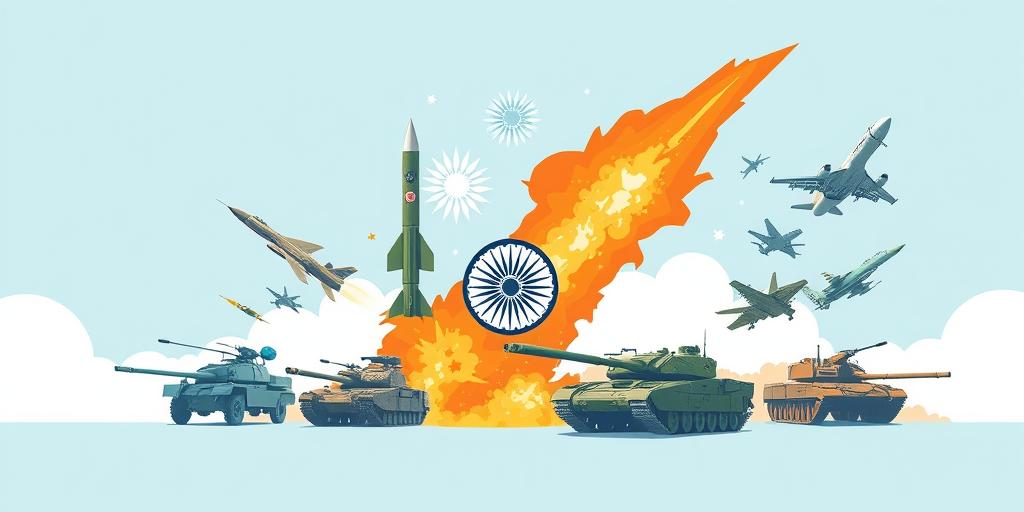
India's "Atmanirbhar Bharat" in Defense: Progress and Persistent Challenges
India's "Atmanirbhar Bharat" (Self-Reliant India) initiative has placed significant emphasis on bolstering domestic defense production. This policy aims to reduce reliance on foreign imports, enhance India's strategic autonomy, and stimulate economic growth. While considerable progress has been made, persistent challenges remain.
Progress
- Increased Domestic Production: There has been a notable increase in defense production within India. Several domestic companies, both public and private, are now manufacturing a wider range of defense equipment, including armored vehicles, missiles, and electronic warfare systems.
- Policy Reforms: The government has introduced several policy reforms to encourage domestic manufacturing. These include streamlining the procurement process, providing financial incentives, and promoting technology transfer.
- Export Promotion: India is actively promoting defense exports. The government has set ambitious targets for defense exports and is working to facilitate the sale of indigenously produced defense equipment to friendly countries.
- R&D Focus: Increased investment in research and development (R&D) is fostering innovation and the development of indigenous technologies. Organizations like the Defence Research and Development Organisation (DRDO) are playing a crucial role.
Persistent Challenges
- Technological Gaps: Despite progress, India still faces technological gaps in critical areas such as advanced aircraft engines, electronic warfare systems, and certain types of missiles. Bridging these gaps requires sustained investment in R&D and strategic partnerships.
- Supply Chain Bottlenecks: The defense industry relies on a complex supply chain. Bottlenecks in this supply chain can delay production and increase costs. Strengthening the supply chain is essential for efficient defense production.
- Quality Control: Maintaining high standards of quality control is paramount in the defense industry. Ensuring that indigenously produced equipment meets international standards is a continuous challenge.
- Bureaucratic Hurdles: Bureaucratic delays and inefficiencies can hinder the progress of defense projects. Streamlining decision-making processes and improving coordination between different agencies is crucial.
- Skilled Workforce: A skilled workforce is essential for a thriving defense industry. India needs to invest in training and education to create a pool of skilled workers who can meet the demands of the industry.
Conclusion
India's "Atmanirbhar Bharat" initiative has made significant strides in promoting domestic defense production. However, overcoming persistent challenges related to technology, supply chains, quality control, bureaucracy, and skills is crucial for achieving complete self-reliance in the defense sector. Continued focus and strategic interventions are necessary to realize the full potential of this ambitious initiative.


