
China's Navy: A Transformation from Coastal Defense to Global Maritime Power
For decades, the People's Liberation Army Navy (PLAN) was primarily a coastal defense force. Today, it's rapidly evolving into a global maritime power, projecting influence far beyond China's shores. This transformation is driven by a combination of factors, including economic growth, strategic ambitions, and technological advancements.
Historical Context: From Riverine Force to Coastal Defense
In its early years, the PLAN was a relatively small force, primarily focused on patrolling China's rivers and coastal waters. It lacked the resources and technology to project power far from its coastline. However, as China's economy grew, so did its investment in its navy.
The Drivers of Modernization
Several factors are contributing to the PLAN's modernization:
- Economic Growth: China's economic boom has provided the resources necessary to invest heavily in naval modernization.
- Strategic Ambitions: China's growing global influence requires a navy capable of protecting its interests abroad.
- Technological Advancements: China has made significant strides in naval technology, including shipbuilding, missile development, and naval aviation.
Key Capabilities and Developments
The PLAN's modernization is evident in several key areas:
- Aircraft Carriers: The PLAN now operates multiple aircraft carriers, providing it with the ability to project air power far from its shores.
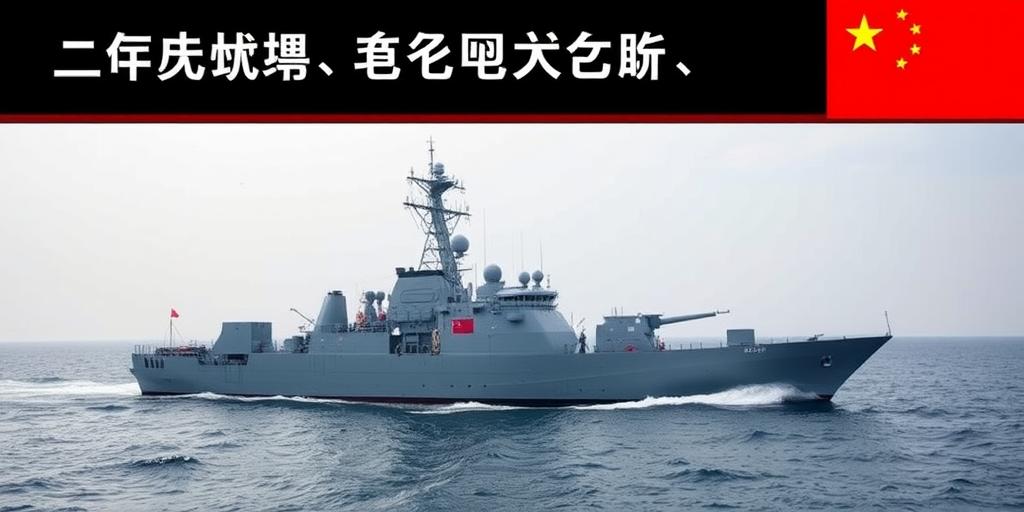
- Advanced Destroyers and Frigates: New classes of destroyers and frigates are equipped with advanced sensors, missiles, and anti-submarine warfare capabilities.
- Amphibious Warfare Capabilities: The PLAN is developing its amphibious warfare capabilities, allowing it to conduct operations further afield.
- Submarine Force: The PLAN operates a large and modern submarine force, including both nuclear-powered and conventionally powered submarines.
Implications for Regional and Global Security
The PLAN's rise has significant implications for regional and global security. Some view it as a potential threat to the existing maritime order, while others see it as a natural consequence of China's growing economic and political power.
Conclusion
China's navy has undergone a remarkable transformation, evolving from a coastal defense force to a global maritime power. This modernization is reshaping the balance of power in the Indo-Pacific region and beyond. Understanding the drivers and implications of this transformation is crucial for policymakers and analysts alike.


