
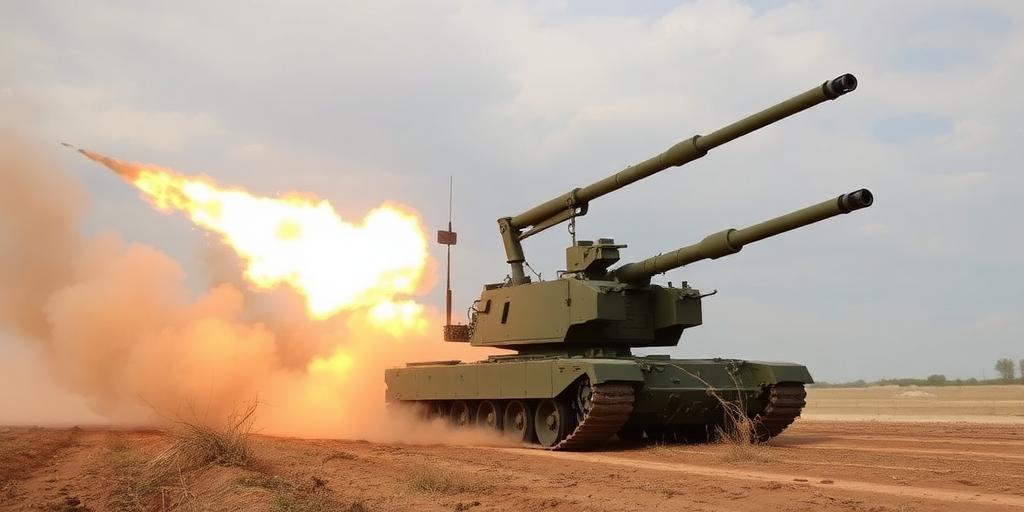
Ukraine War: The Evolving Role of HIMARS and Long-Range Artillery
The conflict in Ukraine has underscored the critical role of long-range artillery, particularly the High Mobility Artillery Rocket System (HIMARS), in modern warfare. Initially supplied by the United States, HIMARS has proven to be a game-changer for Ukrainian forces, enabling them to strike strategically important targets deep behind enemy lines. This article examines the evolving role of HIMARS and other long-range artillery systems in the ongoing war, their impact on battlefield dynamics, and the broader implications for military strategy.
The Initial Impact of HIMARS
When HIMARS was first introduced to the Ukrainian theater, it provided a significant boost to their capabilities. Possessing greater range and precision than the artillery systems previously available to Ukraine, HIMARS allowed them to target critical Russian infrastructure, ammunition depots, and command centers far from the front lines. These strikes disrupted Russian supply chains, degraded their logistical capabilities, and forced them to relocate key assets.
Adapting Strategies
In response to the effectiveness of HIMARS, Russian forces have adapted their strategies. Measures include:
- Dispersion: Dispersing ammunition and supplies over a wider area to reduce the impact of HIMARS strikes.
- Air Defense Enhancement: Strengthening air defenses around critical assets to intercept incoming rockets.
- Electronic Warfare: Employing electronic warfare systems to disrupt the GPS guidance of HIMARS rockets.
Despite these countermeasures, HIMARS continues to pose a significant threat, necessitating ongoing adaptation and innovation on both sides.
The Evolving Nature of Long-Range Artillery
Beyond HIMARS, the conflict has highlighted the importance of other long-range artillery systems. Both sides have employed a variety of rocket artillery and long-range guns to strike targets at extended ranges. The effectiveness of these systems depends on a combination of factors, including range, precision, payload, and the ability to overcome enemy defenses.
The Future of Artillery Warfare
The war in Ukraine offers important lessons about the future of artillery warfare. Key takeaways include:
- Precision Matters: Precision-guided munitions are essential for striking high-value targets and minimizing collateral damage.
- Range is Crucial: The ability to strike targets at extended ranges provides a significant advantage.
- Integration is Key: Effective artillery requires seamless integration with reconnaissance, targeting, and command and control systems.
- Counter-battery Warfare: Neutralizing enemy artillery is critical for protecting friendly forces and maintaining freedom of maneuver.
Conclusion
The role of HIMARS and long-range artillery in the Ukraine war demonstrates the evolving nature of modern conflict. As both sides continue to adapt and innovate, the importance of these systems is likely to grow. The lessons learned in Ukraine will undoubtedly shape the development and deployment of artillery systems in the years to come.


