
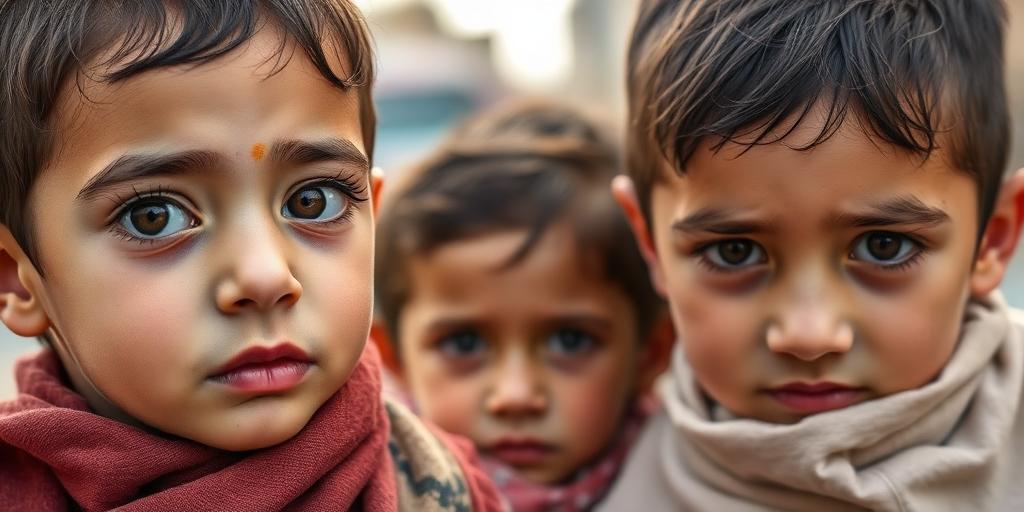
The ongoing conflict in Gaza has inflicted deep psychological scars on its children, who bear the brunt of violence and instability. This article examines the profound impact of conflict on the mental health and well-being of children in Gaza, highlighting the urgent need for psychosocial support and long-term interventions.
Understanding the Scope of the Crisis The Gaza Strip, a densely populated area, has been embroiled in recurring conflicts, leaving children particularly vulnerable. These conflicts expose children to traumatic events, including bombings, displacement, loss of loved ones, and constant fear for their safety. The cumulative effect of these experiences leads to severe psychological distress.
Manifestations of Psychological Trauma Children in Gaza exhibit various symptoms of psychological trauma, including:
- Post-Traumatic Stress Disorder (PTSD): Recurring nightmares, flashbacks, and severe anxiety following traumatic events.
- Anxiety and Depression: Persistent feelings of worry, sadness, and hopelessness.
- Behavioral Problems: Increased aggression, bedwetting, and difficulties in school.
- Emotional Regression: Returning to earlier behaviors, such as thumb-sucking or clinging to caregivers.
- Sleep Disturbances: Difficulty falling asleep or staying asleep, leading to fatigue and impaired cognitive function.
The Impact on Development Conflict disrupts critical stages of child development, affecting cognitive, emotional, and social growth. The chronic stress experienced by children in Gaza can impair brain development, leading to long-term learning disabilities and emotional regulation difficulties. The lack of safe spaces and consistent routines further exacerbates these challenges.
The Role of Psychosocial Support Addressing the psychological needs of children in Gaza requires comprehensive psychosocial support, including:
- Mental Health Services: Providing access to trained psychologists and counselors who can offer therapy and support.
- Community-Based Programs: Implementing programs that promote resilience and coping skills within the community.
- Educational Interventions: Training teachers and caregivers to identify and support children with psychological distress.
- Safe Spaces: Creating secure environments where children can play, learn, and express their emotions freely.
- Family Support: Strengthening families' ability to provide emotional support and stability to their children.
Challenges and Barriers Despite the urgent need for psychosocial support, several challenges hinder the delivery of effective interventions:
- Limited Resources: Scarce funding and resources restrict the availability of mental health services.
- Accessibility Issues: Movement restrictions and security concerns limit access to affected areas.
- Stigma: Cultural stigmas surrounding mental health prevent many children and families from seeking help.
- Trauma Overload: The constant exposure to traumatic events overwhelms the existing support systems.
The Path Forward To mitigate the psychological scars of conflict on children in Gaza, a multi-faceted approach is essential:
- Increased Funding: Allocating more resources to mental health services and psychosocial support programs.
- Enhanced Coordination: Improving coordination among international organizations, local NGOs, and government agencies.
- Capacity Building: Training local professionals to provide culturally sensitive mental health care.
- Advocacy: Raising awareness about the psychological impact of conflict on children and advocating for their rights.
- Long-Term Commitment: Ensuring sustained support and interventions to promote healing and resilience.
The psychological scars of conflict on children in Gaza are profound and far-reaching. Addressing these needs requires a concerted effort from the international community, local organizations, and government agencies. By providing comprehensive psychosocial support and long-term interventions, it is possible to help these children heal, build resilience, and look forward to a brighter future.


