
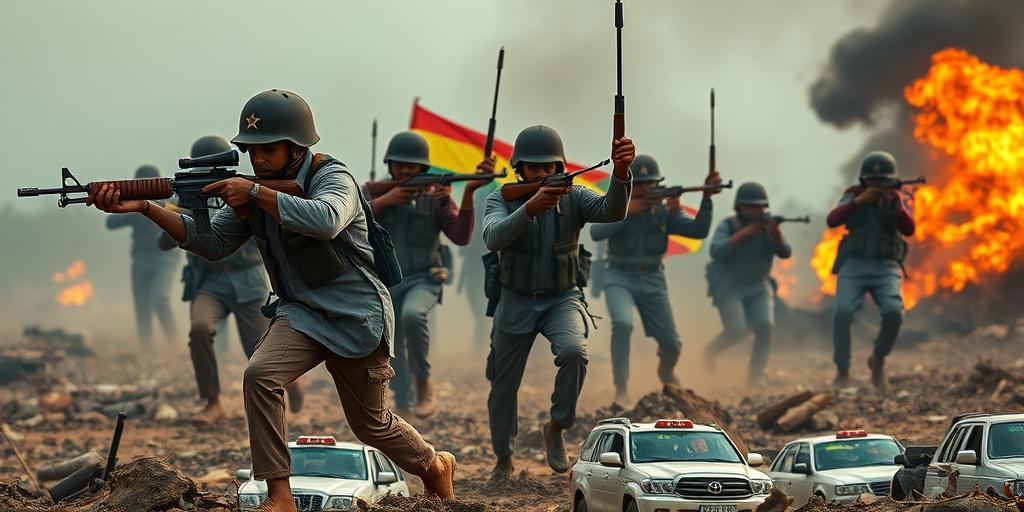
Myanmar has been embroiled in a complex and escalating civil war following the military coup in February 2021. Resistance groups, composed of various ethnic armed organizations (EAOs) and newly formed People's Defense Forces (PDFs), have been actively challenging the junta's authority. Recent reports suggest that these groups have been gaining ground, seizing territory and inflicting casualties on the military.
The conflict is characterized by a decentralized structure, with numerous resistance groups operating independently across the country. EAOs, with years of experience in armed struggle, have provided training and support to the nascent PDFs, bolstering their capabilities. The PDFs, largely composed of civilians, have demonstrated resilience and determination in the face of the junta's superior firepower.
Key developments include the capture of strategic towns and military outposts by resistance forces. These victories have not only expanded the territory under their control but also boosted morale and attracted new recruits. The junta, facing mounting pressure, has responded with increased airstrikes and ground offensives, resulting in widespread displacement and civilian casualties.
The humanitarian situation in Myanmar is dire. Millions are in need of assistance, and access to affected areas remains restricted. International organizations are struggling to deliver aid due to security concerns and bureaucratic obstacles. The civil war has also had a significant impact on the economy, disrupting trade and investment.
The international community has condemned the junta's actions and called for a peaceful resolution to the conflict. However, efforts to mediate a dialogue between the junta and the resistance groups have been unsuccessful. The future of Myanmar remains uncertain as the civil war continues to intensify.


