
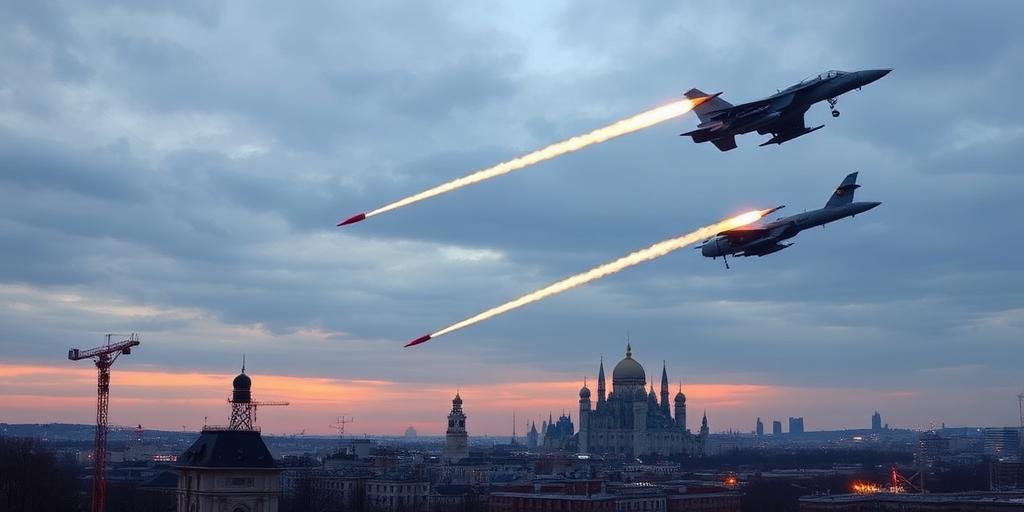
Kyiv, the capital of Ukraine, has been under constant threat from Russian missile attacks since the beginning of the conflict. To protect its citizens and critical infrastructure, Kyiv has developed a sophisticated air defense network. This network combines various systems, strategies, and international assistance to form a multi-layered shield against aerial threats.
Key Components of Kyiv's Air Defense System
- Air Defense Systems: Kyiv employs a range of air defense systems, including Soviet-era systems like the S-300 and more modern Western-supplied systems such as the NASAMS and IRIS-T. These systems are designed to intercept and destroy incoming missiles and drones.
- Early Warning Systems: An integrated radar network provides early warning of incoming threats, allowing air defense units to prepare and engage targets effectively. These systems can detect missiles and drones at long ranges, providing crucial time for response.
- Electronic Warfare: Electronic warfare systems are used to disrupt and jam enemy targeting systems, reducing the accuracy and effectiveness of incoming missiles.
- Fighter Aircraft: Ukrainian Air Force fighter jets patrol the skies around Kyiv, ready to intercept any threats that evade the ground-based air defense systems.
- Mobile Defense Units: Mobile air defense units are deployed throughout the city to provide localized protection for critical infrastructure and residential areas. These units can quickly move to intercept threats as they emerge.
Effectiveness and Challenges
Kyiv's air defense network has proven to be highly effective in intercepting a significant number of Russian missiles and drones. However, challenges remain:
- System Saturation: Russia's use of multiple missiles and drones in a single attack can overwhelm the defense systems.
- Advanced Missiles: Russia's use of advanced missiles, such as hypersonic missiles, poses a significant challenge to existing air defense systems.
- Geographic Limitations: The air defense systems are concentrated around Kyiv, leaving other regions of Ukraine more vulnerable.
International Assistance
Western countries have provided significant assistance in strengthening Kyiv's air defense capabilities. This assistance includes the supply of modern air defense systems, training, and intelligence sharing. Continued international support is crucial for maintaining and improving Kyiv's air defenses.
Conclusion
Kyiv's air defense network is a critical component of Ukraine's defense strategy, protecting the capital from Russian missile attacks. While the system faces ongoing challenges, it has proven to be highly effective in mitigating the impact of these attacks. Continued investment and international support are essential to ensure the long-term protection of Kyiv and its residents.


