
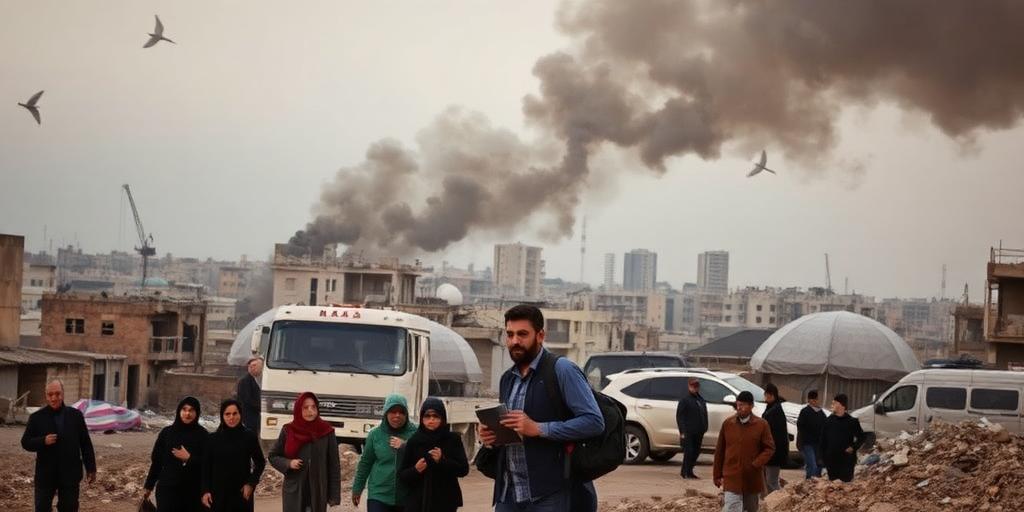
The recent escalation of Israeli strikes on Gaza has created a dire humanitarian situation, according to first-hand accounts from residents. These accounts paint a picture of daily life marked by fear, uncertainty, and the struggle for basic necessities.
Impact on Daily Life
Residents report widespread infrastructure damage, including homes, schools, and medical facilities. Access to clean water and electricity is severely limited, hindering sanitation and healthcare efforts. The ongoing strikes have forced many families to flee their homes, seeking shelter in overcrowded UN-run facilities or with relatives. These shelters are struggling to provide adequate food, water, and medical care.
Personal Testimonies
"Every day is a struggle for survival," says Fatima, a mother of four living in Gaza City. "We wake up to the sound of bombs and spend our days trying to find food and water for our children. We are constantly afraid for our lives."
Ahmed, a doctor working at a local hospital, describes the overwhelming strain on the healthcare system. "We are running out of medical supplies and are struggling to treat the injured," he says. "The situation is catastrophic."
Challenges in Aid Delivery
The ongoing conflict has severely hampered the delivery of humanitarian aid to Gaza. Border crossings are frequently closed, and aid convoys face significant delays and security risks. International organizations are calling for safe and unimpeded access to allow aid to reach those in need.
Call for Ceasefire
The accounts from Gaza underscore the urgent need for a ceasefire to protect civilians and allow for the delivery of humanitarian assistance. The international community is intensifying its efforts to mediate a resolution to the conflict and alleviate the suffering of the people of Gaza.


