
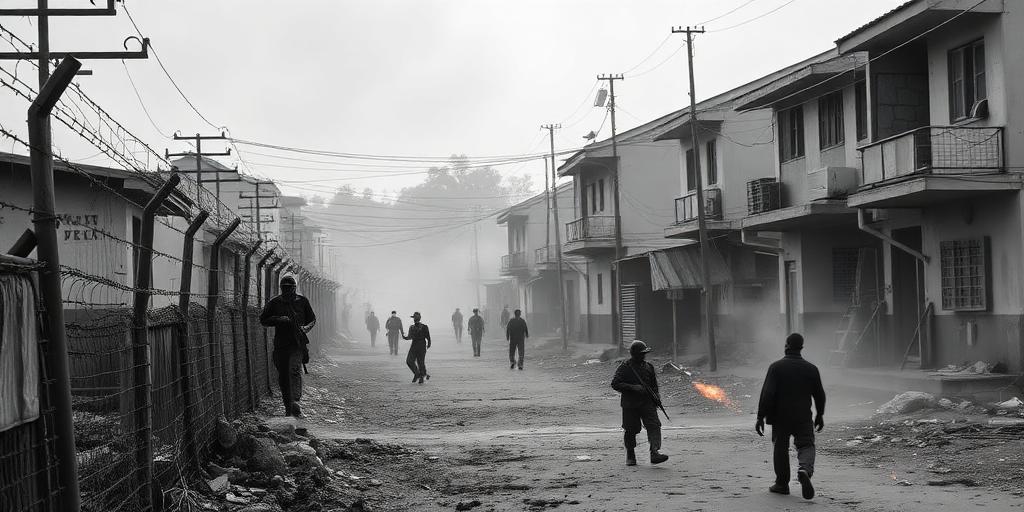
Haiti is currently facing a severe crisis marked by escalating gang violence that has plunged the nation into turmoil. These gangs, wielding significant power and influence, effectively hold the country hostage, disrupting daily life, crippling the economy, and instilling widespread fear among the population.
The Rise of Gangs
The proliferation of gangs in Haiti can be attributed to a complex interplay of factors, including political instability, poverty, and a lack of opportunities. These gangs have expanded their control over key territories, engaging in activities such as extortion, kidnapping, and drug trafficking. They exploit the vulnerability of marginalized communities, further exacerbating the existing socio-economic disparities.
Impact on the Population
The pervasive gang violence has had a devastating impact on the Haitian population. Access to essential services such as healthcare, education, and clean water has been severely limited, as gangs often block roads and target aid organizations. The constant threat of violence has forced many residents to flee their homes, leading to a surge in internally displaced persons.
The economy has also suffered significantly, with businesses forced to close due to insecurity and supply chains disrupted by gang activity. The agricultural sector, a vital source of income for many Haitians, has been particularly affected, leading to food shortages and increased prices.
International Response and Challenges
The international community has been grappling with how to effectively address the crisis in Haiti. While humanitarian aid has been provided, it has often been insufficient to meet the overwhelming needs of the population. Calls for a more robust international intervention, including the deployment of a multinational force, have been met with mixed reactions, reflecting concerns about sovereignty and the potential for unintended consequences.
One of the key challenges in addressing the gang violence is the deep-rooted corruption within the Haitian government and security forces. Without tackling this issue, any external intervention is likely to be ineffective in the long term.
The Way Forward
Addressing Haiti's spiraling gang violence requires a multifaceted approach that combines security measures with long-term development initiatives. Some potential strategies include:
- Strengthening the Haitian National Police: Providing training, resources, and oversight to improve their capacity to combat gangs.
- Targeting Gang Finances: Disrupting the economic networks that sustain gang activity through anti-money laundering measures and asset seizures.
- Promoting Socio-Economic Development: Investing in education, job creation, and infrastructure to address the root causes of gang involvement.
- Fostering National Dialogue: Engaging all stakeholders, including civil society organizations, political leaders, and community representatives, in a dialogue to chart a path towards stability.
Haiti stands at a critical juncture, and the choices made in the coming months will determine the country's future. Failure to address the gang violence effectively risks further destabilization and humanitarian disaster. A concerted effort by the Haitian government, the international community, and civil society is essential to restore security, promote development, and ensure a brighter future for the Haitian people.


