
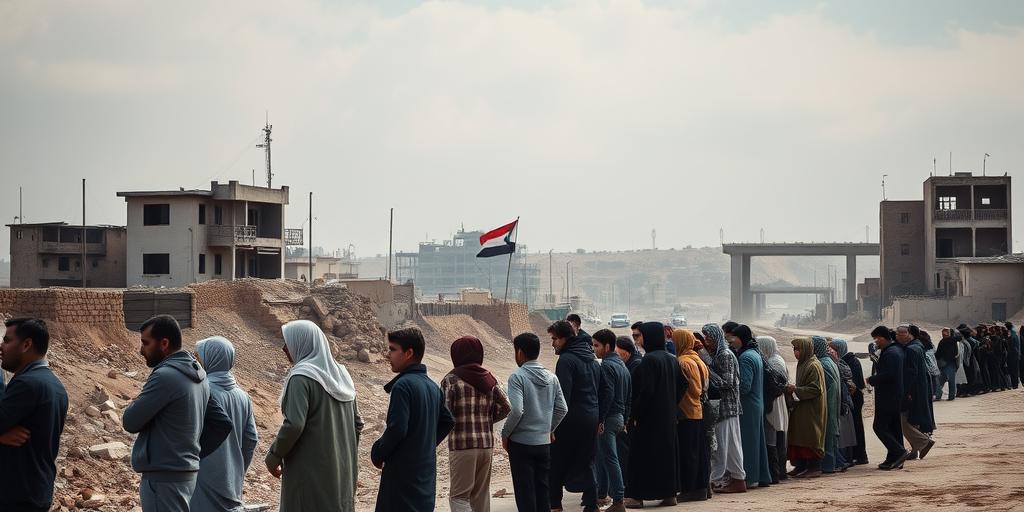
Gaza is currently facing a humanitarian catastrophe, characterized by a severe lack of essential resources and immense challenges in delivering aid to those in need. This crisis is compounded by ongoing conflict, aid blockades, and the constant threat of bombardments, creating an environment where survival is a daily struggle for the civilian population.
The Scale of the Crisis The situation in Gaza is dire, with a significant portion of the population displaced and lacking access to basic necessities such as food, water, shelter, and medical care. International organizations and aid agencies are working tirelessly to provide assistance, but their efforts are severely hampered by logistical challenges and security concerns.
Aid Blockades: A Major Obstacle One of the primary obstacles to delivering humanitarian aid is the imposition of blockades, which restrict the flow of essential supplies into Gaza. These blockades limit the quantity and type of aid that can enter, exacerbating the suffering of the population. The reasons behind these blockades are complex and politically charged, but their impact on the ground is undeniable.
Bombardments and Security Risks In addition to the blockades, the ongoing bombardments and security risks pose a significant threat to both aid workers and civilians. The constant threat of violence makes it difficult to deliver aid safely and effectively, as aid convoys and distribution centers are often caught in the crossfire. This not only endangers the lives of those providing assistance but also further disrupts the already fragile supply chains.
International Response and Efforts The international community has responded to the crisis in Gaza with a combination of diplomatic efforts and humanitarian aid. However, more needs to be done to address the root causes of the conflict and ensure the safe and consistent delivery of assistance. Key actions include:
- Increased Diplomatic Pressure: Urging all parties to adhere to international law and prioritize the protection of civilians.
- Unimpeded Aid Access: Ensuring that humanitarian organizations have safe and consistent access to Gaza.
- Financial Support: Providing adequate funding for humanitarian programs and reconstruction efforts.
- Monitoring and Accountability: Establishing mechanisms to monitor the use of aid and hold accountable those responsible for violations of international law.
The Way Forward Addressing the humanitarian catastrophe in Gaza requires a multifaceted approach that combines immediate relief efforts with long-term solutions. This includes:
- Ceasefire and Conflict Resolution: Working towards a sustainable ceasefire and addressing the underlying causes of the conflict.
- Reconstruction and Development: Investing in the reconstruction of Gaza's infrastructure and economy to create sustainable livelihoods.
- Human Rights Protection: Ensuring respect for human rights and accountability for violations.
The situation in Gaza remains critical, and the need for sustained humanitarian assistance is urgent. The international community must work together to alleviate the suffering of the population and create the conditions for a more peaceful and prosperous future.


